
Editor-in-Chief
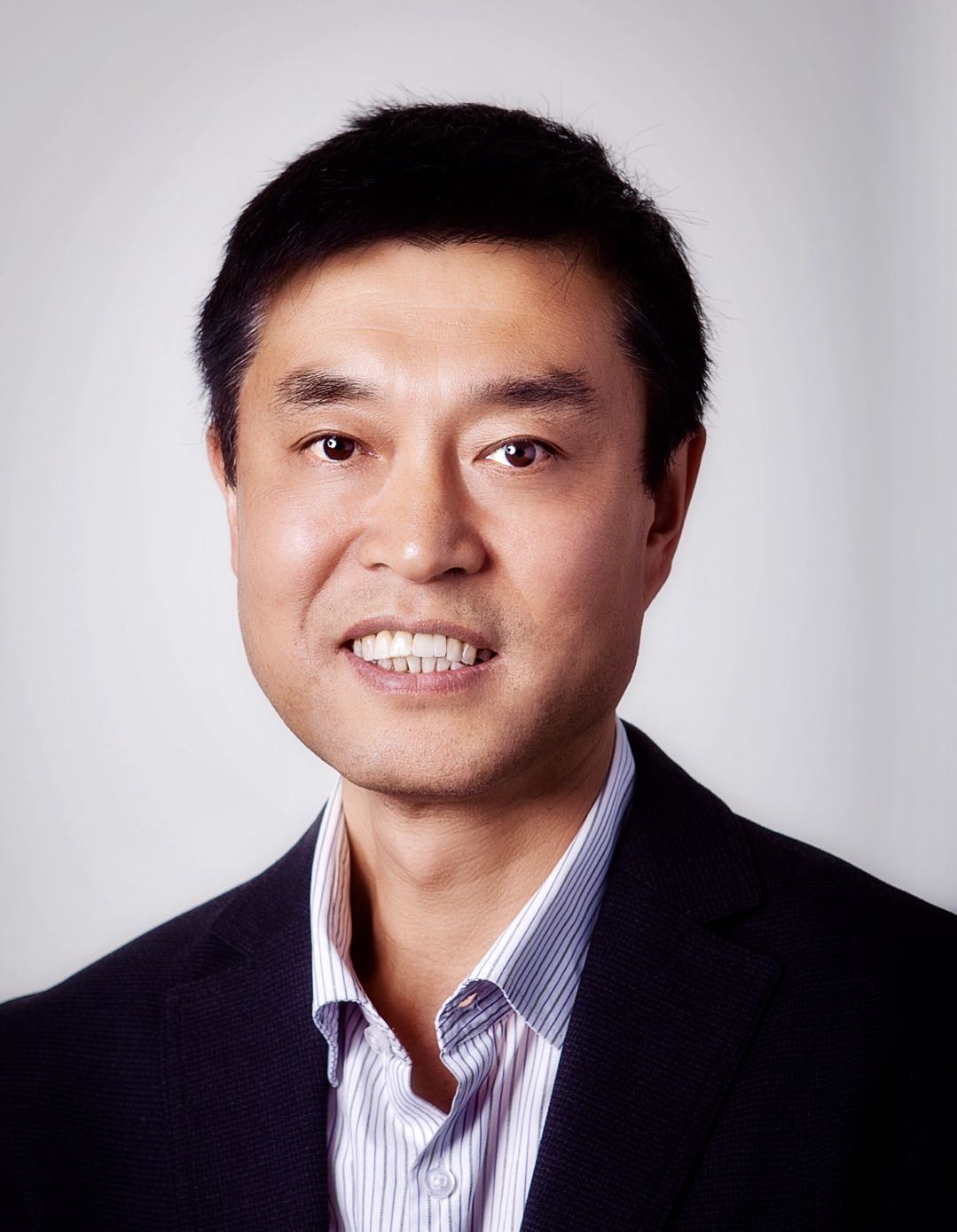
Mingxing Zhang | PhD 

School of Mechanical and Mining Engineering, The University of Queensland, Brisbane, Australia.
Interests: Additive Manufacturing of Metals and MAX Phase Materials; High Entropy Alloys; New Alloy Design Engineering Materials; Surface Engineering of Metals; Grain Refinement for Cast Metals
Biography: Prof. Zhang is a world leader in the area of crystallography of phase transformations and its applications in engineering materials, and is recognised as one of the top researchers in the areas of phase transformations, grain refinement for cast metals, additive manufacturing of metals, and surface engineering. His research expertise and interests include crystallography of phase transformations, grain refinement and alloy development of aluminium and magnesium alloys, surface modification and coatings, bainitic transformation and bainitic steels. Prof. Zhang's research hopes are to apply his fundamental research results to develop new generation metallic materials and to improve the current materials processing techniques. His research outcomes will also offer materials scientists a totally new way to undertake surface treatment for metallic materials, therefore to significantly improving the surface durability of these types of materials. For example, the recently developed new packed powder diffusion coating technique for titanium alloys will enable the replacement of the highly costly superalloys with Ti alloys. The research also hopes to enhance Australia's competitive ability in international markets in light metals and contribute significantly to materials science with the study of the mechanism of phase transformations in solids.
Associate Editors
Zhilin Liu | PhD
College of Mechanical and Electrical Engineering (CMEE), Central South University, Changsha, China.
Interests: Solidification and Grain Refinement; Extreme Manufaturing; Nano-and Micromechanics; Crystallography of Phase Transformation; Ultrasonic Casting
Biography: Prof. Liu obtained his PhD degree from the University of Queensland (Australia), then got the Madrid Attraction of Talent Fellowship (Spain), followed by the Marie Skłodowska-Curie Individual Fellowship (EU). He is primarily engaged in fundamental and applied research on the extreme manufacturing of advanced materials and components. Served as co-chair of two international academic conferences. Now, he has published 70 papers in prestigious international journals, including Nano Letters, AFM, Acta Mater., JMPT, and Ultrason. Sonochem., with an h-index of 33, annual election to the Stanford/Elsevier World's Top 2% Scientists list since 2023, and recipient of the Excellent Article Award from JMST. Meanwhile, he co-authored one book and held over 10 authorized national invention patents. As a principal investigator, Prof. Liu has achieved over 10 research grants, including projects funded by the EU Horizon Program, the Chinese National Key R&D Program, and three projects from the National Natural Science Foundation of China (NSFC). His work promotes fundamental research to industry application, particularly for extreme manufacturing.
Qiang Zhu | PhD
Department of Mechanical and Energy Engineering, Southern University of Science and Technology, Shenzhen, China.
Interests: Crystallography of Phase Transformation; Nanomechanics and Micromechanics of Advanced Materials; Solidification and Grain Refinement of Cast Metals/Alloys; Design and Manufacture of Novel Materials (such as high-entropy alloys); Physics and Application of Multiple Micro-ultrasonic Generators
Xiping Guo | PhD
State Key Laboratory of Solidification Processing, Northwestern Polytechnical University, Xi'an, China.
Interests: High-Temperature Properties; High-Temperature Applications; Microstructural Dynamics; Coatings Technology
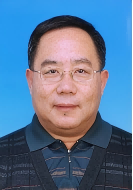
Huijun Li | PhD
School of Mechanical, Materials, Mechatronic and Biomedical Engineering, University of Wollongong, Wollongong, Australia.
Interests: Additive Manufacturing; Welding and Joining; Materials Characterization; High-Temperature Materials
Biography: Professor Huijun Li has over 30 years of research experience in materials science and engineering, with particular expertise in electron microscopy for studying the microstructure of metals and ceramics. As a Certified Materials Professional (CMatP) in Australia, Prof. Huijun Li earned his Ph.D. from the University of Wollongong in 1996. Over his distinguished career, he has authored nine book chapters and published more than 700 research papers in areas including additive manufacturing, welding metallurgy, novel alloy development, surface engineering, nuclear materials, and microstructural characterization. His work has attracted over 29,100 citations with an h-index of 83 on Scopus, and an h-index of 101 with more than 42,000 citations on Google Scholar (as of August 2026). Prof. Li has received numerous prestigious awards and recognitions throughout his career. He was awarded the Australian Museum Eureka Prize for Outstanding Science in Safeguarding Australia (2013), the Australia Endeavour Fellowship (2014), and the Defence Materials Technology Centre Capability Improvement Award in both 2014 and 2016. In 2019, Australian Research magazine named him Australia’s Field Leader in both Manufacturing & Machinery and Metallurgy. He also received the UOW Vice-Chancellor’s Research Partnership and Impact Award in 2019 and 2023. Prof. Li has been consecutively recognized as Australia’s leading researcher in metallurgy from 2020 to 2025. Since 2020, he has served as a Technical Committee Member for “Standards Australia MB-028: Additive Manufacturing” and “ISO/TC 261: Additive Manufacturing.” A DMTC shipbuilding project in which Prof. Li was a chief investigator earned a High Commendation at the INDO PACIFIC 2022 International Maritime Exposition and won the Defence Science and Technology Enterprise Collaboration Award at the Australian Defence Science, Technology and Research Summit (ADSTAR) in July 2022.
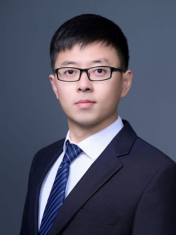
Yu Yin | PhD
School of Advanced Manufacturing, Sun Yat-sen University, Shenzhen, China.
Interests: Compositional Design of Novel Alloys; Microstructure Manipulation; Advanced Manufacturing Technologies; Service Behaviors of Materials in Extreme Environments
Biography: Dr. Yu Yin is currently an Associate Professor at the School of Advanced Manufacturing, Sun Yat-Sen University. He received his Ph.D. in Materials Engineering from The University of Queensland in 2021, followed by postdoctoral research at the same institution until 2023. His research focuses on the design and advanced manufacturing of novel alloys. He has made significant contributions to the field of composition design, the tuning of heterogeneous and nanostructures via additive manufacturing and thermo-mechanical processing. He has published nearly 60 papers in leading journals such as Journal of Materials Science & Technology, Additive Manufacturing, and Composites Part B: Engineering and Corrosion Science. His work has garnered significant recognition, with over 3,900 citations and an H-index of 33 (Google Scholar). He is the principal investigator for several national and industrial research projects and holds multiple patents for novel alloys. Dr. Yin has received prestigious awards, including the Excellent Article Award from the Journal of Materials Science & Technology.
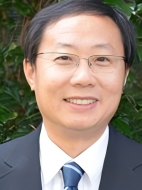
Weihua Li | PhD
School of Mechanical, Materials, Mechatronic and Biomedical Engineering, University of Wollongong, Wollongong, Australia.
Interests: Smart and Soft Materials; Microfluidics and Lab on a Chip; Micro-Electro-Mechanical Systems (MEMS); Wearable Devices
Biography: Dr. Weihua Li is a Senior Professor of Mechatronic Engineering at the University of Wollongong. He completed his PhD (2001) at Nanyang Technological University, and MEng (1995) & BEng (1992) from the University of Science & Technological of China. He was with the School of Mechanical and Aerospace Engineering of NTU as a Research Fellow from 2001 to 2003, before he joined the School of Engineering as a Lecturer. His research focuses on smart materials and their applications, microfluidics, Lab on a Chip, and intelligent mechatronics. He serves as Editor or Editorial Board Member for more than ten international journals. He has published > 600 papers with an h-index of 98 (Google Scholar). He is a recipient of Fellow of Engineers Australia, Fellow of IET, Fellow of the Institute of Physics (UK), JSPS Invitation Fellowship, Australian Endeavour Fellowship, Vice-Chancellor's Award for Researcher of the Year, Vice-Chancellor's Award for Excellence in Research Supervision, Vice-Chancellor’s Award for Interdisciplinary Research Excellence and numerous Best Paper Awards.
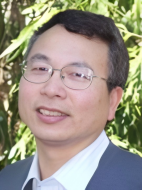
Zhengyi Jiang | PhD
School of Mechanical, Materials, Mechatronic and Biomedical Engineering, University of Wollongong, Wollongong, Australia.
Interest: Manufacturing Engineering; Materials Engineering; Manufacturing Processes and Technologies

Qiyang Tan | PhD
School of Mechanical and Mining Engineering, The University of Queensland, Brisbane, Australia.
Interests: Additive Manufacturing; Grain Refinement; Solidification; Phase Transformation; Thin Film Characterization
Biography: Dr. Qiyang Tan is an Early-Mid Career Researcher with a strong interest and extensive experience in physical metallurgy, metallic materials and metal additive manufacturing. He is currently the Research Fellow in the School of Mechanical and Mining Engineering at UQ. As an emerging leader, he has progressively built and managed a growing team on AM of high-performance engineering materials at UQ. Dr. Tan has published over 80 papers in top international journals such as Nature Communications, Materials Today, Acta Materialia, Corrosion Science and Additive Manufacturing. These papers have attracted over 5,500 citations, corresponding to his H-index of 42 and i10-index of 63. He has successfully secured competitive research funding from the Australian Research Council (ARC), Australia's Economic Accelerator (AEA), and industry partners. In recognition of his research impact, he has been included in the Stanford/Elsevier World's Top 2% Scientists list annually since 2023.
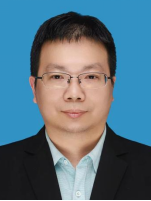
Anqiang Pan | PhD
School of Materials Science and Engineering, Key Laboratory of Electronic Packaging and Advanced Functional Materials of Hunan Province, Central South University, Changsha, China.
Interests: Design, Fabrication, and Application of Materials for Energy Storage (e.g., Zinc-ion, Sodium-ion, and Lithium-ion Batteries)
Biography: Prof. Pan received his PhD in Materials Science and Engineering from Central South University in 2011 and was a Research Fellow at Nanyang Technological University, Singapore (2011–2012). He has been a Professor at Central South University since 2013. He is a National High-Level Young Talent, a Hunan Provincial Leading Innovation Talent, and a Clarivate Highly Cited Researcher. He serves as Dean of the School of Materials Science and Engineering at Xinjiang University; Distinguished Professor, Doctoral Advisor, and Director of the Department of Materials Physics at Central South University. His honours include the Ministry of Education's New Century Excellent Talent Award and the Hunan Distinguished Young Scholars Award. Dr. Pan has led or participated in over 20 major national and provincial projects and has published more than 180 research papers, holds over 30 patents, delivered 30+ invited talks, and has received over 14,000 citations (H-index 67).
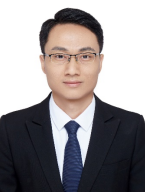
Wenming Jiang | PhD
State Key Laboratory of Materials Processing and Die & Mould Technology, School of Materials Science and Engineering, Huazhong University of Science and Technology, Wuhan, China.
Interests: High-performance Lightweight Alloy Materials; Advanced Precise Casting and Forming Technologies; Additive Manufacturing Technologies
Biography: Prof. Dr. Jiang is a doctoral supervisor at Huazhong University of Science and Technology. He is also the leader of the "Chutian Talent Program" scientific and technological innovation team in Hubei Province. Has been included in the top 2% global scientists list for five consecutive years (2021-2025). He has received the National Teaching Achievement Award, the Second Prize of Hubei Province's Technological Invention Award (ranked first), the Second Prize of the Mechanical Industry Science and Technology Award (ranked first), the First and Second Prizes of the China Nonferrous Metals Industry Science and Technology Award (ranked second and first respectively), the title of "Most Beautiful Technological Worker in the Foundry Industry of China", the "Hunan Province's High-level Talent Program for Innovation and Entrepreneurship", and the "Wuhan Talent Program". He has published 140 SCI papers. Among them, 6 are ESI hot and highly cited papers. His papers have been cited over 4,300 times, and his H-index is 37. He has been granted over 30 invention patents and has edited 4 monographs/textbooks. He has led more than 20 scientific research projects, including National Natural Science Foundation projects, National Defence Basic Research Program projects, and National Key Research and Development Program projects, etc. He serves as an editorial board member of 7 domestic and international journals, including Materials, China Foundry, Metals, Foundry, China Foundry Equipment and Technology, and Metalworking (Hot Working).
Editorial Board
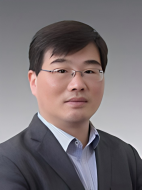
Jingfeng Wang | PhD
Anhui Key Laboratory of Civil Engineering Structures and Materials, Hefei University of Technology, Hefei, China.
Interests: High Performance Materials; Steel Structure; Composite Structure; Seismic Design; Construction Industrialization; Prefabricated Construction; Intelligent Construction
Biography: Jingfeng Wang is a professor at Hefei University of Technology, a New Century Excellent Talent of the Ministry of Education, director of the Engineering Research Center of the Ministry of Education for Low-carbon Technology and Equipment for Cement-based Materials, and director of Anhui Provincial Key Laboratory for Civil Engineering Structures and Materials, etc. Associate editor of Smart Construction, editorial board member of international journals such as ASCE-ASME, Steel Structures, and Sustainable Structures, deputy director and secretary-general of China Education Association of Machinery Industry Smart Construction Professional Committee, vice president of China Construction Metal Structure Association Testing, Identification, Reinforcement and Renovation Branch, and deputy director of China Association for Engineering Construction Standardization Construction Safety Committee. He has been continuously listed among the top 2% of global leading scientists and selected for the CNKI Top 1% Highly Cited Chinese Scholars list in recent years. He has presided over more than 50 projects, including the National Key Research and Development Program of China and the National Natural Science Foundation of China. He has won three first-class and four second-class provincial and ministerial-level science and technology awards. He holds over 50 authorized patents in the United States and China, has published 11 monographs and textbooks, and over 250 papers. He has drafted seven national standards, including the "Technical Standard for Energy Dissipation and Seismic Retrofitting of Buildings," as well as 21 industry and local standards, solving more than 50 major infrastructure problems related to earthquake, wind, and disaster resistance. His achievements have been applied in major engineering projects such as the CAS Center for Excellence in Quantum Information and Quantum Physics, Bengbu Sports Center, Zhengzhou South High-Speed Railway Station, and Jinan Yellow River Road-Rail Bridge.
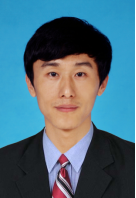
Peng Lan | PhD
School of Metallurgical and Ecological Engineering, University of Science and Technology Beijing, Beijing, China.
Interests: Steel Solidification Theory and Control; Continuous Casting Technology; Special Steel and Manufacturing Process; Numerical Simulation in Metallurgy
Biography: Peng Lan is a professor at the University of Science and Technology Beijing. He graduated from the University of Science and Technology Beijing with bachelor's, master's, and doctoral degrees, and was a visiting scholar at Pohang University of Science and Technology. His main research topic is high-quality steel continuous casting technology and the corresponding artificial intelligence, involving high manganese steel, bearing steel, spring steel, gear steel, ultra-low carbon steel continuous casting and ingot casting process. He has sound knowledge and practical experience in the segregation and shrinkage cavity control in continuous casting for high-value-added steels, and also good understanding on special processes such as amorphous melt spinning and vacuum casting. He has published more than 100 papers and 3 books, and more than 20 invention patents and software copyrights were issued, and achieved 1 first prize, 1 second prize, and 2 third prizes at the provincial and ministerial level.
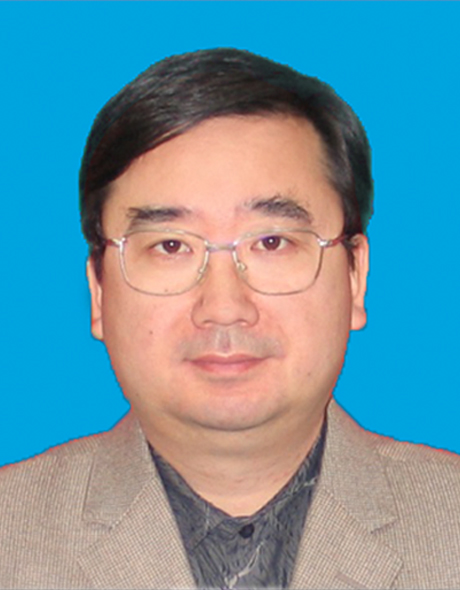
Jing Li | PhD
State Key Laboratory of Advanced Metallurgy, University of Science and Technology Beijing, Beijing, China.
Interests: Steelmaking and Secondary Metallurgy; Clean Steel Production; Rare Earth Applications and Oxide Metallurgy; Advanced Electroslag Remelting Technologies, and High-Performance Steel Product Development
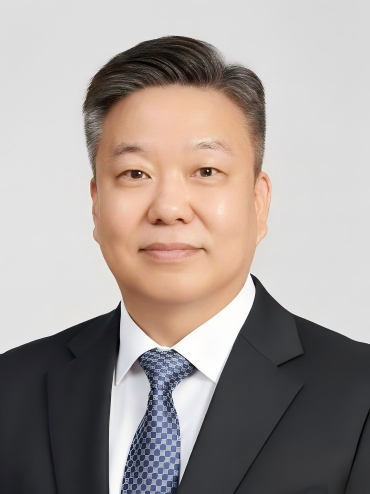
Hyoung Seop Kim | PhD
Department of Materials Science and Engineering, Pohang University of Science and Technology (POSTECH), Pohang, Republic of Korea; Center for Heterogenic Metal Additive Manufacturing, Pohang University of Science and Technology (POSTECH), Pohang, Republic of Korea; Graduate Institute of Ferrous & Eco Materials Technology, Pohang University of Science and Technology (POSTECH), Pohang, Republic of Korea.
Interests: High-Entropy Alloys and Medium-Entropy Alloys; Severe Plastic Deformation and Ultrafine-Grained Materials; Dislocation Dynamics and Dislocation-Based Constitutive Modeling; Finite Element Method Simulations of Metal Forming; Additive Manufacturing and Heterostructured Materials
Biography: Dr. Hyoung Seop Kim is a Chair Professor at POSTECH and serves as the President of the Korean Institute of Metals and Materials (KIM). He is a world-renowned scientist in the fields of physical metallurgy and materials processing, particularly recognized for his pioneering research on High-Entropy Alloys (HEAs), ultrafine-grained materials, and advanced finite element simulations of metal deformation. He has published hundreds of high-impact papers in top-tier journals such as Acta Materialia and International Journal of Plasticity, and serves as an editor/editorial board member for multiple prestigious international journals.
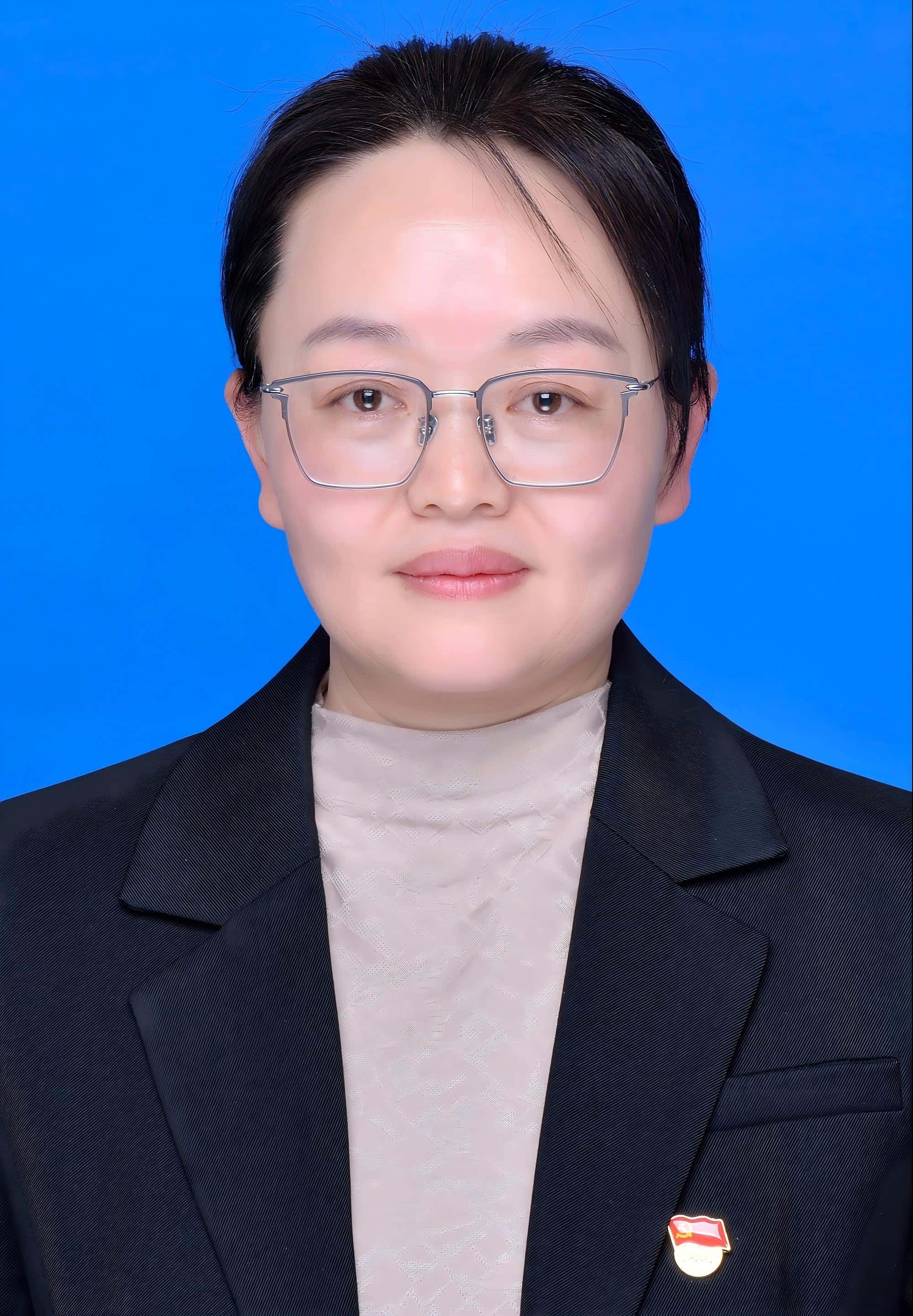
Yaoning Sun | PhD
School of Mechanical Engineering, Xinjiang University, Urumqi, China.
Interests: Specialized Machining; Smart Manufacturing; Composite Materials
Biography: Professor Sun Yaoning is dedicated to research in the field of materials synthesis and processing: (1) In the area of traditional metal corrosion protection, addressing the surface repair needs of typical critical components in the chemical and energy industries, he has designed multi-component alloy powders that are erosion-resistant, wear-resistant, corrosion-resistant, and heat-resistant, and that bond well with the substrate. This approach integrates considerations of varying service environments, interfacial compatibility, and performance matching, laying a technical foundation for effectively improving the surface performance of critical components, extending their service life, and broadening their application scope; (2) In the field of laser remanufacturing, we employ surface engineering techniques to perform “additive” repair of surface damage on parts, thereby restoring and enhancing their performance. This makes a significant contribution to the circular economy and green remanufacturing, which are currently receiving particular emphasis; (3) Concurrently, we focus on research into the development of new energy alloys. Based on first-principles calculations using density functional theory, we design and optimize the microstructure and composition of low-melting-point aluminum alloys to enhance their hydrogen production performance, while investigating the mechanisms by which low-melting-point metallic elements influence this performance.
Xiaoguang Liu | PhD
School of Materials Science and Engineering, University of Science and Technology Beijing, Beijing, China.
Interests: High-Temperature Ceramic Coatings on Metals, Alloys, and Ceramics; Surface Engineering and Materials Characterization of Advanced Coatings
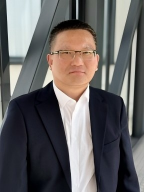
Jiehua Li | PhD
Chair of Casting Research, Montanuniversität Leoben, Leoben, Austria.
Interests: Melting Metallurgy; High Performance Alloys; Solidification Principles; Advanced Casting Technologies; Advanced Scanning / Transmission Electron Microscopy and Atom Probe Tomography
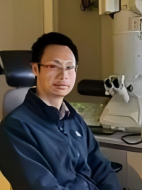
Feng Wang | PhD
Electron Microscopy at the Strand Campus, King's College London, London, United Kingdom.
Interests: Mechanical Behavior of Materials; Material Characterization; Materials Processing; Metals Material Characteristics; Mechanics of Materials; SEM Analysis
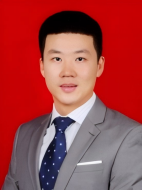
Qiang Wang | PhD
School of Metallurgical Engineering, Xi'an University of Architecture and Technology, Xi'an, China.
Interests: Metal Artifact Restoration and Conservation; Advanced Coating Design and Processing; Additive Manufacturing, Surface Engineering, and Related Technologies
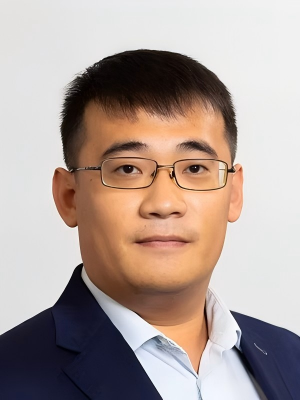
Ranming Niu | PhD
School of Aerospace, Mechanical and Mechatronic Engineering, The University of Sydney, Sydney, Australia; Australian Centre for Microscopy & Microanalysis, The University of Sydney, Sydney, Australia.
Interests: Mechanical Behaviours; Microstructures, Metals and Alloys, Hydrogen Embrittlement
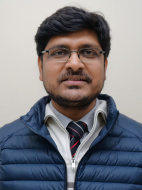
Ayan Bhowmik | PhD
Department of Materials Science & Engineering, Indian Institute of Technology Delhi, New Delhi, India.
Interests: Surface Coating; High Temperature Alloy Design; Cold Spray; Phase Transformation
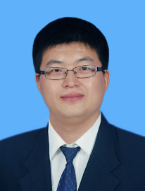
Yingang Liu | PhD
School of Aeronautics, Northwestern Polytechnical University, Xi'an, China.
Interests: Metal Additive Manufacturing (3D Printing); Multifunctional Integrated Design; Surface Quality Control; Fatigue-Resistant Manufacturing; Advanced Manufacturing Processes
Biography: Yingang Liu is a Professor and Doctoral Supervisor at the School of Aeronautics, Northwestern Polytechnical University, and a selected recipient of the National Young Talent Program and NPU Soaring Overseas Scholar. His research focuses on metal additive manufacturing (3D printing), multifunctional integrated design, surface quality control of additively manufactured parts, and fatigue-resistant manufacturing. He has led over 10 projects funded by the NSFC, Shaanxi Provincial Natural Science Foundation Key Programs, etc., and participated in 6 national-level key projects. He has published over 50 SCI papers in journals such as Science, Nature Communications, Acta Materialia, Additive Manufacturing, and Journal of Materials Science & Technology, with over 3,800 positive citations. He holds 5 authorized invention patents. He has delivered over 20 invited talks at major international and domestic conferences. Awards include the First Prize of the Shaanxi Provincial Natural Science Award (2024), the Youth Innovation Award of the National Key Laboratory of Strength and Structural Integrity (2024), and the Outstanding Doctoral Dissertation of Shaanxi Province (2019).
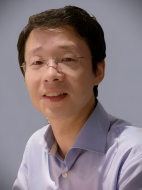
Yuman Zhu | PhD
Monash Centre for Additive Manufacturing (MCAM), Monash University, Notting Hill, Australia.
Interests: Metal Additive Manufacturing; Microstructure Characterization; Phase Transformation and Deformation Mechanism
Biography: Dr. Yuman Zhu is currently a distinguished Future Fellow of the Australian Research Council in the Department of Mechanical and Aerospace Engineering at Monash University. He also serves as the Deputy Director of Monash Centre for Additive Manufacturing. He has published over 120 high-impact research articles, including those in Science, Nature Materials, Nature Communications, Acta Materialia and Additive Manufacturing. His current research focuses on the additive manufacturing of metallic materials, where he specializes in employing advanced electron microscopy techniques to probe the rapid solidification and phase transformations inherent in the additive manufacturing process. His primary objective is to establish the intricate relationships among processes, microstructures, and mechanical properties, thereby advancing the application of additive manufacturing to new frontiers (structural, energy, and biomedical).
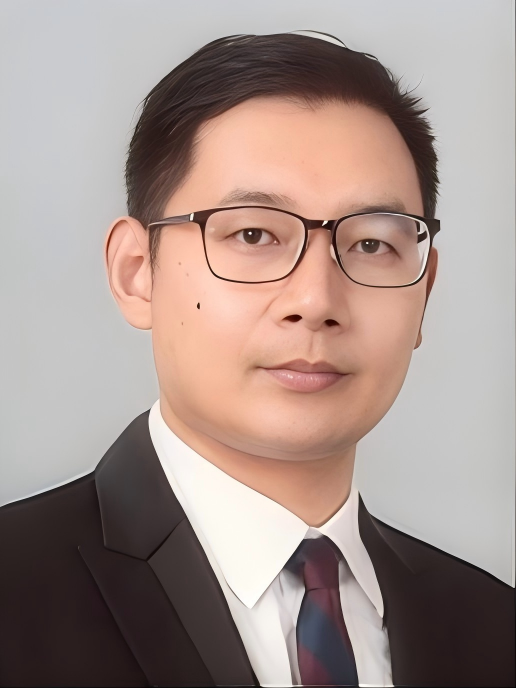
Yunfei Jia | PhD
Key Laboratory of Pressure Systems and Safety, Ministry of Education, School of Mechanical and Power Engineering, East China University of Science and Technology, Shanghai, China.
Interests: Bionic Strength Mechanics of Mechanical Structures; Erosion Resistance of Aeroengine Blades; Machine Learning-Based Structural Design
Biography: Yunfei Jia is a Professor and Doctoral Supervisor at the School of East China University of Science and Technology, and selected into the Shanghai Rising-Star Program for Young Scientists, the Chenguang Program, the Yangfan Program, and other talent programs. Received two First Prizes of Shanghai Science and Technology Progress Award, one Technology Invention Award of the Ministry of Education, the President’s Special Award, the Second Prize of Innovation Award by China Association of Inventions, the First Prize of ISSI Best Student Paper Award and other honours. Has long been committed to the theoretical and technological research on morphology-property regulation of structural components, focusing on the bionic anti-fatigue and anti-erosion structural design, manufacturing process mechanics and optimisation evaluation of strength performance for key critical components such as aero-engines and heavy-duty gas turbines. Has presided over several scientific research projects, including those supported by the National Natural Science Foundation of China, Commercial Aircraft Engine Company Limited of Aero Engine Corporation of China, and the Special Project for Strengthening Industrial Foundation of Shanghai Municipal Commission of Economy and Informatisation. He has published more than 60 papers in top-tier journals, including Corrosion Science, Wear, International Journal of Plasticity, and Nature Communications, and has been granted or published more than 30 invention patents.

Tingping Hou | PhD
Department of Applied Physics, School of Physics and Mechanics, Wuhan University of Science and Technology, Wuhan, China.
Interests: Phase Transformations; Metallic Materials; Magnetism; Computational Materials Science; Data-Driven Microstructure Analysis; Fe-Based Materials under High Magnetic Fields
Biography: Tingping Hou is a Level 3 Full Professor and PhD Supervisor at the School of Science, Wuhan University of Science and Technology. She completed her postdoctoral fellowship at the University of Cambridge (UK) and served as a visiting scholar at the Australian Nuclear Science and Technology Organization (ANSTO) and the Institute of Physics, Chinese Academy of Sciences.
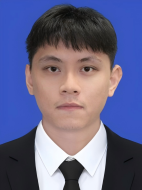
Zhiqi Fan | PhD
State Key Laboratory for Manufacturing Systems Engineering, School of Mechanical Engineering, Xi'an Jiaotong University, Shaanxi, China.
Interests: Ceramic Additive Manufacturing; AI-Assisted Materials Design for AM; Solidification Mechanisms; Grain Refinement and Defect Suppression; Intelligent Sensing and Monitoring of AM Processes
Biography: Dr. Zhiqi Fan is an Assistant Professor in the School of Mechanical Engineering at Xi’an Jiaotong University and a recipient of the University’s Young Outstanding Talent Support Program. He received his Master of Engineering (Research) in Mechanical Engineering from UNSW Sydney and his Ph.D. in Mechanical Engineering from The University of Queensland. His research focuses on laser additive manufacturing of advanced ceramics, solidification mechanisms and microstructure control, and AI-assisted materials design for additive manufacturing. He has led/participated in multiple national research projects, including projects funded by the National Natural Science Foundation of China through its Young Scientists Fund and Major Program, as well as the National Key R&D Program of China. He has published nearly 40 peer-reviewed papers in leading journals, including Acta Materialia, Advanced Materials, the International Journal of Extreme Manufacturing, and the Journal of the European Ceramic Society, attracting more than 2,800 citations on Google Scholar. His research has contributed to a deeper understanding of grain refinement, columnar-to-equiaxed transition, eutectic growth, crack formation, and shrinkage porosity in laser-additively manufactured ceramics. His honors include the Xi’an Jiaotong University Young Outstanding Talent Support Program, the Guangdong Overseas Talent Program, the UQ International Scholarship, and the UNSW PRSS International Exchange Scholarship.
Early Career Editorial Board
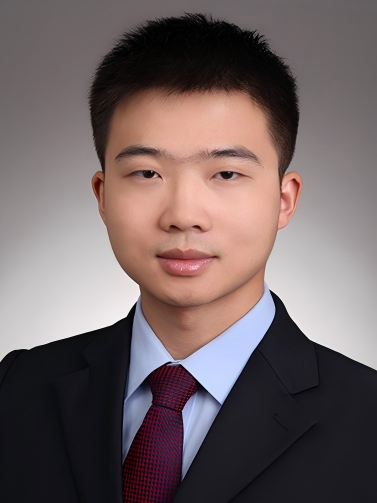
Haitao Liu | PhD
National Key Laboratory of High Temperature Light Alloys and Application Technology, School of Materials Science and Engineering, Henan University of Science and Technology, Luoyang, China.
Interests: Nonferrous Metal Materials; High-Performance Copper-Based Alloys; High-Purity Copper Purification and Impurity Control; Microstructure Regulation and Property Optimization of Copper-Based Micro-Wires; Ultra-Thin Electrolytic Copper Foils; Multifunctional Copper-Based Materials
Biography: Haitao Liu, Professor, Ph.D., recipient of the National Metallurgy Deans Award. Core member of the Key Field Innovation Team of the Ministry of Science and Technology "Key Technologies for High-Performance Copper Alloys" and the Huang Danian-style Faculty Team (Ministry of Education). Selected for the Henan Provincial Young Talent Support Program. Research focuses on the microstructure regulation and key technology development of copper and copper-based alloys, and a series of innovative achievements have been made in the development of high-purity & high-conductivity, high-conductivity ultra-fine, and high-strength ultra-thin copper materials. Led over 10 national/provincial projects (NSFC, National Key R&D Program, etc.) and 3 industry-funded projects. Received numerous provincial and ministerial awards, including the First Prize of Henan Provincial Science and Technology Progress Award and the First Prize of the China Nonferrous Metals Industry Science and Technology Award.
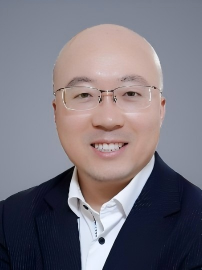
Ming Zhong | PhD
School of Metallurgy, Northeastern University, Shenyang, China.
Interests: Welding Metallurgy; Additive Manufacturing; Oxidation Behavior of Metals; High-Temperature Protective Coatings; Advanced Alloy Design and Development
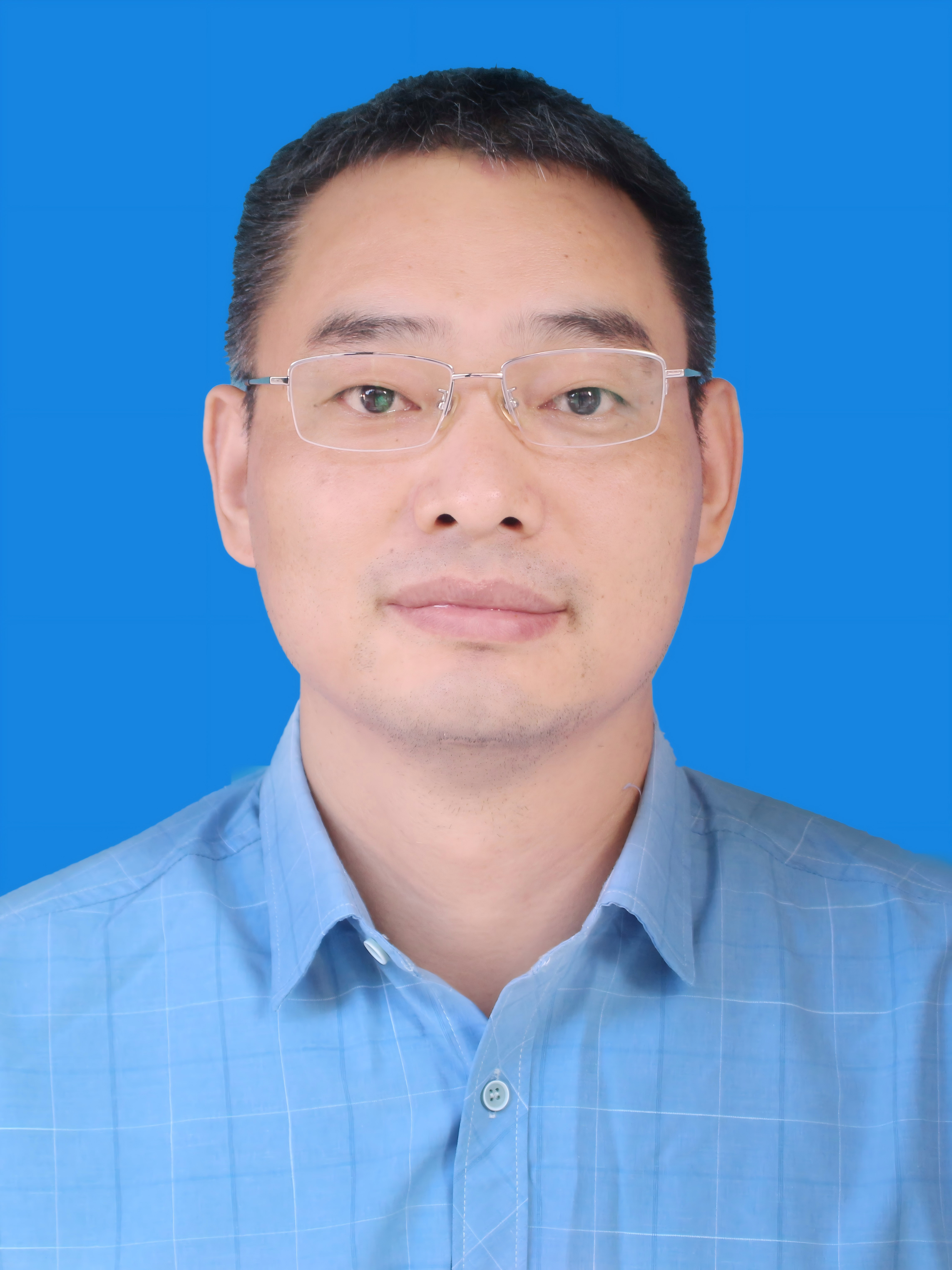
Yuxi Ma | PhD
School of Civil Engineering and Architecture, Wuhan Polytechnic University, Wuhan, China.
Interests: High-Performance High-Entropy Alloys; Microstructure Evolution; Mechanical Behavior; Advanced Manufacturing; Aerospace Applications
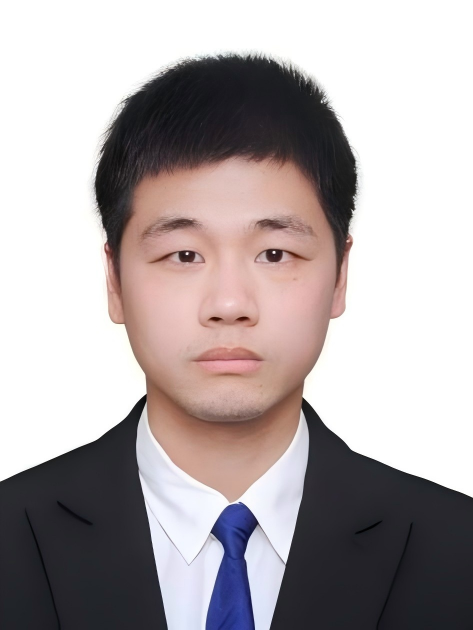
Junjie Fei | PhD
Wuhan Vocational College of Software and Engineering (Wuhan Open University), Wuhan, China.
Interests: The Strengthening and Toughening Mechanism and Friction and Wear Properties of Steel Materials; The Optimization of Composition, Microstructure, and Properties of High-performance Rail and its Online Heat Treatment Process; Product Design and Industrialization Promotion of High-strength Blade Plate Steel for Engineering Machinery Buckets; Intelligent Detection Technology for Surface Defects of Steel Products
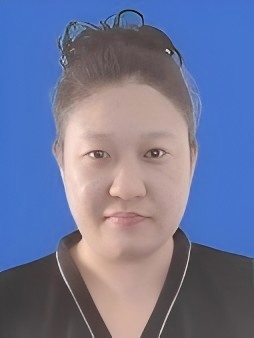
Rui Zhao | PhD
College of Civil Engineering and Architecture, Xinjiang University, Urumqi, China; Xinjiang Key Laboratory of Building Structure and Earthquake Resistance, Urumqi, China.
Interests: Theory and Design Technology for Health Monitoring of Long-span Structures; Research on Multi-dimensional Mechanical Behavior of Structures under Extreme Weather Conditions; Bridge Inspection and Maintenance Technology
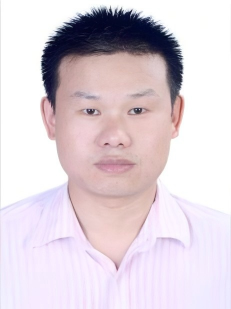
Qingfeng Ding | PhD
Department of Automotive Materials, Hubei University of Automotive Technology, Shiyan, China.
Interests: Lightweight Automotive Materials; High-Efficiency Welding and Engineering Applications