 ICJN Press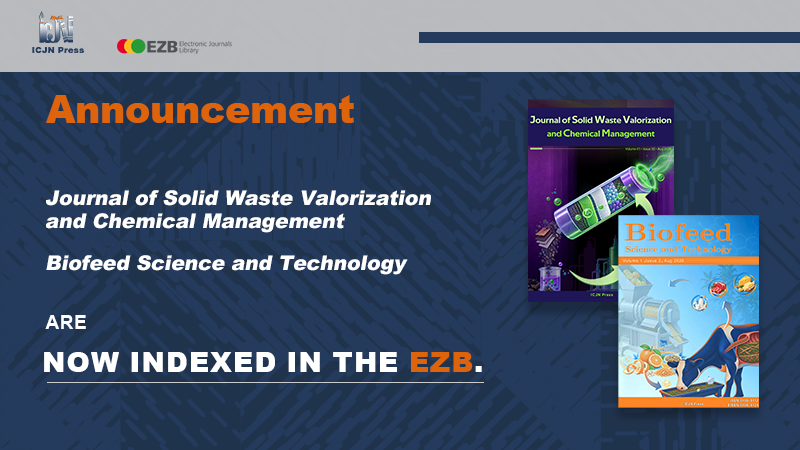

Featured Journals
VIEW MORE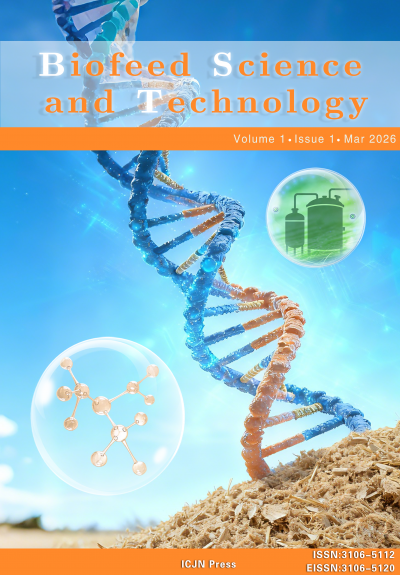
Biofeed Science and Technology (BST)
P-ISSN: 3106-5112
E-ISSN: 3106-5120
 More
More 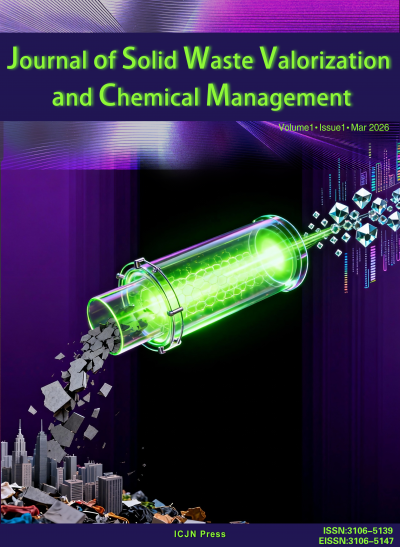
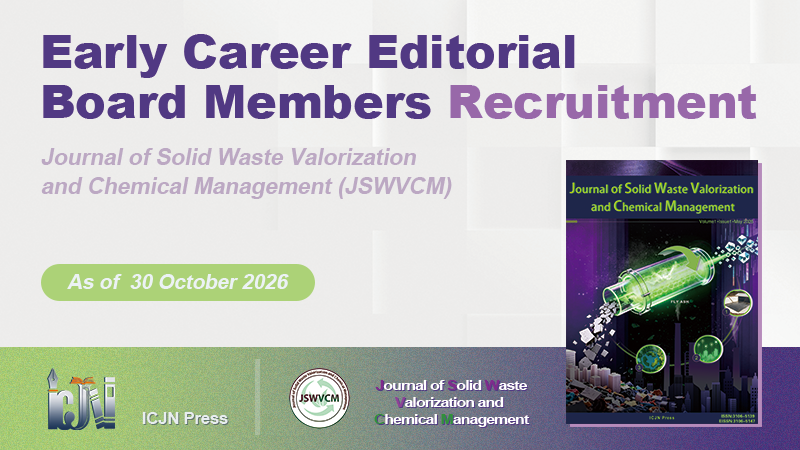
Journal of Solid Waste Valorization and Chemical Management (JSWVCM)
P-ISSN: 3106-5139
E-ISSN: 3106-5147
More 
Cytotherapy and Longevity (CL)
P-ISSN: 3106-5058
E-ISSN: 3106-5066
More 
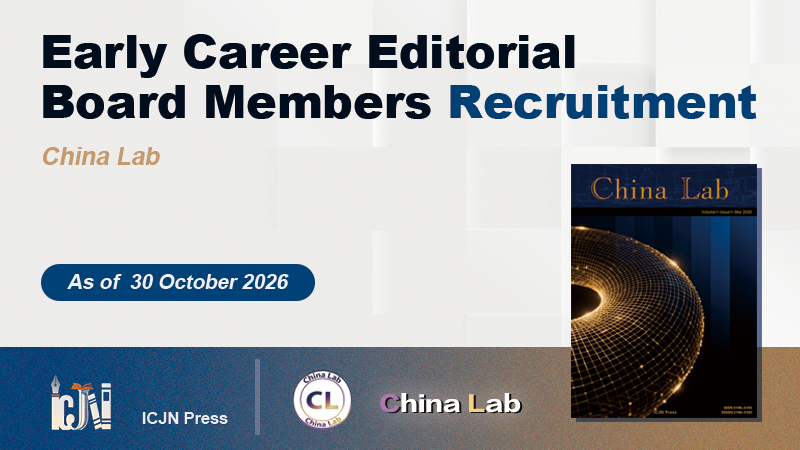
China Lab
P-ISSN: 3106-5155
E-ISSN: 3106-5163
More 
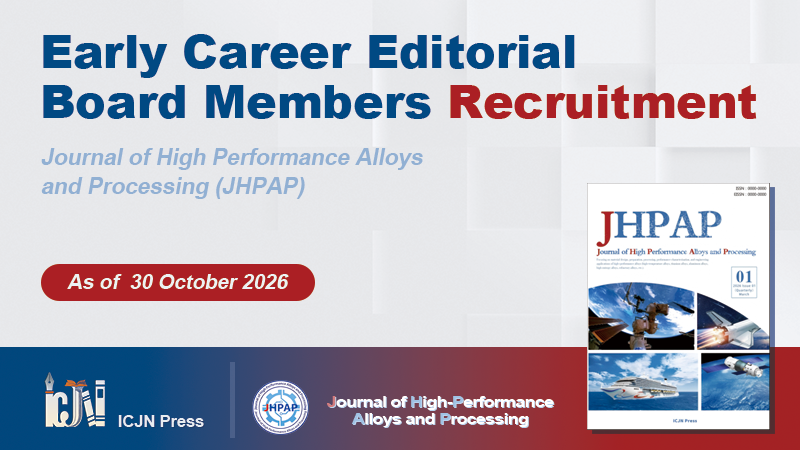
Journal of High Performance Alloys and Processing (JHPAP)
P-ISSN: 3136-1927
E-ISSN: 3136-1935
More 
Journal of Intelligent Technologies in Digital Economy (JITDE)
P-ISSN: 3106-5090
E-ISSN: 3106-5104
More 
Future Health Science (FHS)
P-ISSN: 3106-5074
E-ISSN: 3106-5082
More 
Global Great Lakes (GGL)
More 
Hepatobiliary and Gastrointestinal Sciences (HGS)
More 
Physical Therapy and Longevity (PTL)
More Editors-in-Chief Spotlight
VIEW MORE











Editor's Picks
VIEW MORE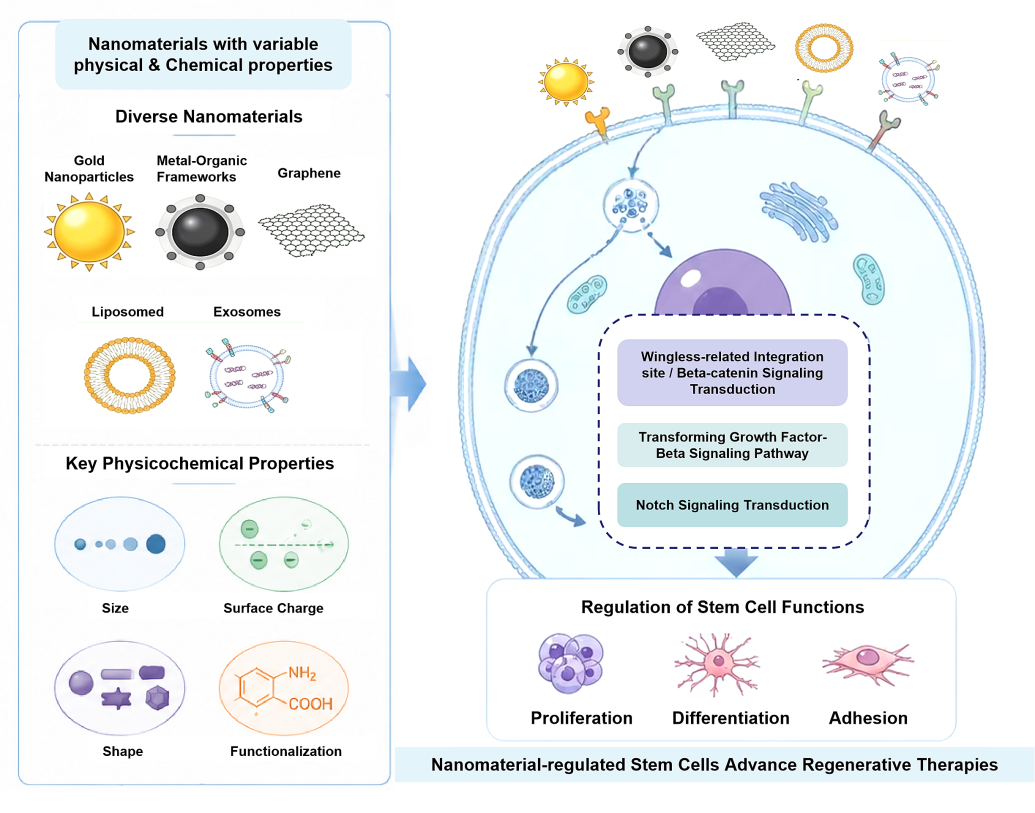
Nanomaterial-Mediated Stem Cells Fate Regulation: From Mechanism of Action to Regenerative Medicine Applications
Stem cells possess self-renewal capacity and differentiation potential. Under appropriate conditions, they can continuously divide to generate more stem cells of the same type or differentiate into various specialized cell types, thereby contributing to the formation of diverse tissues and organs. In tissue engineering and regenerative medicine, stem cells serve as key elements for repairing or replacing functional tissues lost due to disease, injury, or aging. The development of nanomaterials has provided new tools and approaches for stem cell research, particularly in the biomedical field, where they are widely applied in drug delivery, biosensing, medical imaging, and tissue engineering. Moreover, through interactions with cell membranes and/or intracellular components, nanomaterials can modulate key stem cell functions — including differentiation, proliferation, and adhesion — thereby enhancing the therapeutic efficacy of stem cells in biomedical applications. This review first introduces the main characteristics and potential risks associated with the application of nanomaterials to stem cells. The subsequent section provides an overview of how nanomaterials regulate stem cell biological functions and activate associated signaling pathways, followed by a discussion of future directions and challenges in this field.
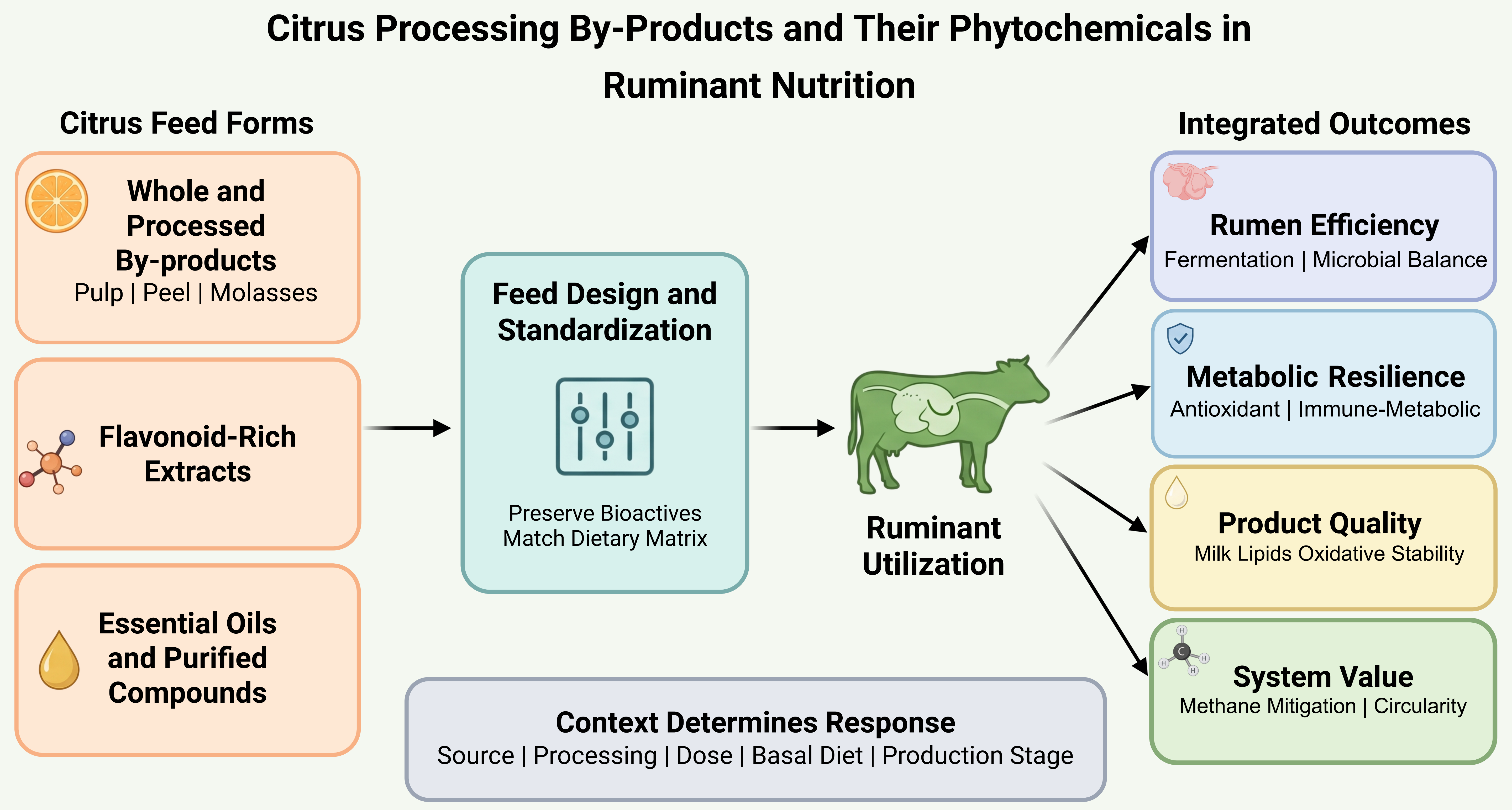
Citrus Processing By-Products and Their Phytochemicals in Ruminant Nutrition: From Rumen Modulation to Animal Performance, Product Quality, and Environmental Sustainability
Citrus processing generates substantial quantities of peel, pulp, membranes, seeds, and extraction residues that present both a waste-management challenge and a potential resource for ruminant production. These by-products are characterized by a fermentable nutritional matrix rich in pectin and soluble sugars, together with diverse phytochemicals, including flavanone glycosides, polymethoxylated flavones, essential oils, phenolic acids, carotenoids, and limonoids. This review critically examines how interactions between these nutrients and phytochemicals affect rumen fermentation, microbial ecology, animal performance, metabolic health, product quality, and environmental sustainability. Citrus pulp can partially replace cereal-based concentrates and provide rapidly fermentable energy with relatively low lactate production. However, responses depend on inclusion level, basal diet, processing method, by-product composition, animal species, and production potential. Citrus flavonoids and essential oils may modulate rumen microorganisms, methanogenesis, nitrogen metabolism, oxidative balance, and inflammatory regulation, although evidence from high-dose in vitro studies cannot be directly extrapolated to whole by-products or commercial production. Citrus-derived interventions may also modify milk and meat fatty-acid profiles, antioxidant capacity, oxidative stability, sensory properties, and shelf life, but results remain heterogeneous. From a circular bioeconomy perspective, feeding citrus residues can divert organic material from disposal and reduce reliance on human-edible feeds. Nevertheless, drying, extraction, transportation, reduced animal productivity, and alternative residue uses may offset these benefits. Overall, citrus by-products should be considered integrated nutrient-phytochemical matrices rather than uniform feed ingredients. Standardized chemical characterization, long-term dose-response studies, mechanistic multi-omics research, and combined life-cycle and techno-economic assessments are required to support their safe, effective, and environmentally credible use in ruminant production systems.
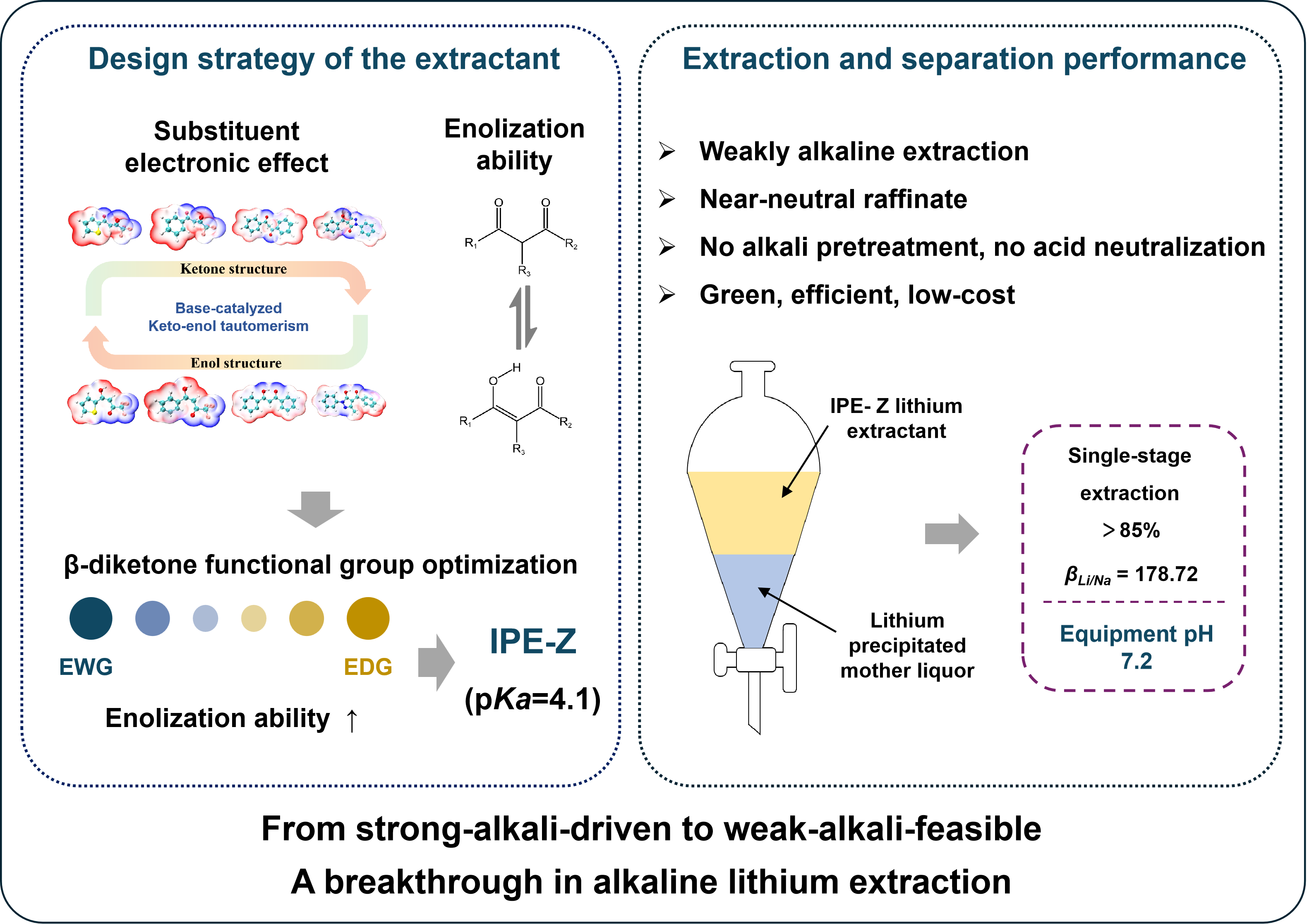
High-Efficiency Lithium Extraction From Lithium Precipitated Mother Liquor Using the IPE-Z Lithium Extractant Under Weakly Alkaline Conditions
As a critical strategic metal, lithium is subject to increasingly stringent resource utilization efficiency requirements. Lithium precipitated mother liquor is the final hurdle in the recovery of lithium resources. Due to its high sodium-to-lithium ratio, strong alkalinity, and complex impurity composition, it poses a significant challenge to the selectivity and stability of traditional extraction systems. In this study, we investigated the influence of different substituents on the enolization capacity of β-diketone extractant molecules based on the electrostatic distribution patterns of extractant molecules. Using this as the primary criterion, we developed a novel extraction system (IPE-Z/tributyl phosphate (TBP)) and examined the effects of various factors, such as pH, extractant concentration, co–extractant ratio and agitation intensity, on extraction yield. Furthermore, the adaptability of this extractant to different feed solutions was verified and its extraction mechanism analysed. The results show that this extractant can achieve over 85% extraction efficiency in a single-stage process and a sodium separation factor (βLi/Na) of 178.72. Meanwhile, the pH of the extractant raffinate is 7.9, suggesting that lithium can be extracted from lithium–precipitated mother liquor without consuming alkali. In the extractate, the coordination ratio of the extractant molecules, the co-extractant molecules, and the lithium ions is 1:1:1. Infrared spectroscopic analysis of the organic phase before and after extraction confirmed that the extractant’s molecular structure remains stable during extraction and back-extraction. Cyclic extraction experiments indicate that this extractant can achieve an extraction efficiency of 98.70% for lithium precipitated mother liquor. The pH of the raffinate is 7.2, enabling the near-neutral extraction of lithium from lithium-precipitated mother liquor, which demonstrates good industrial application prospects.