 ICJN Press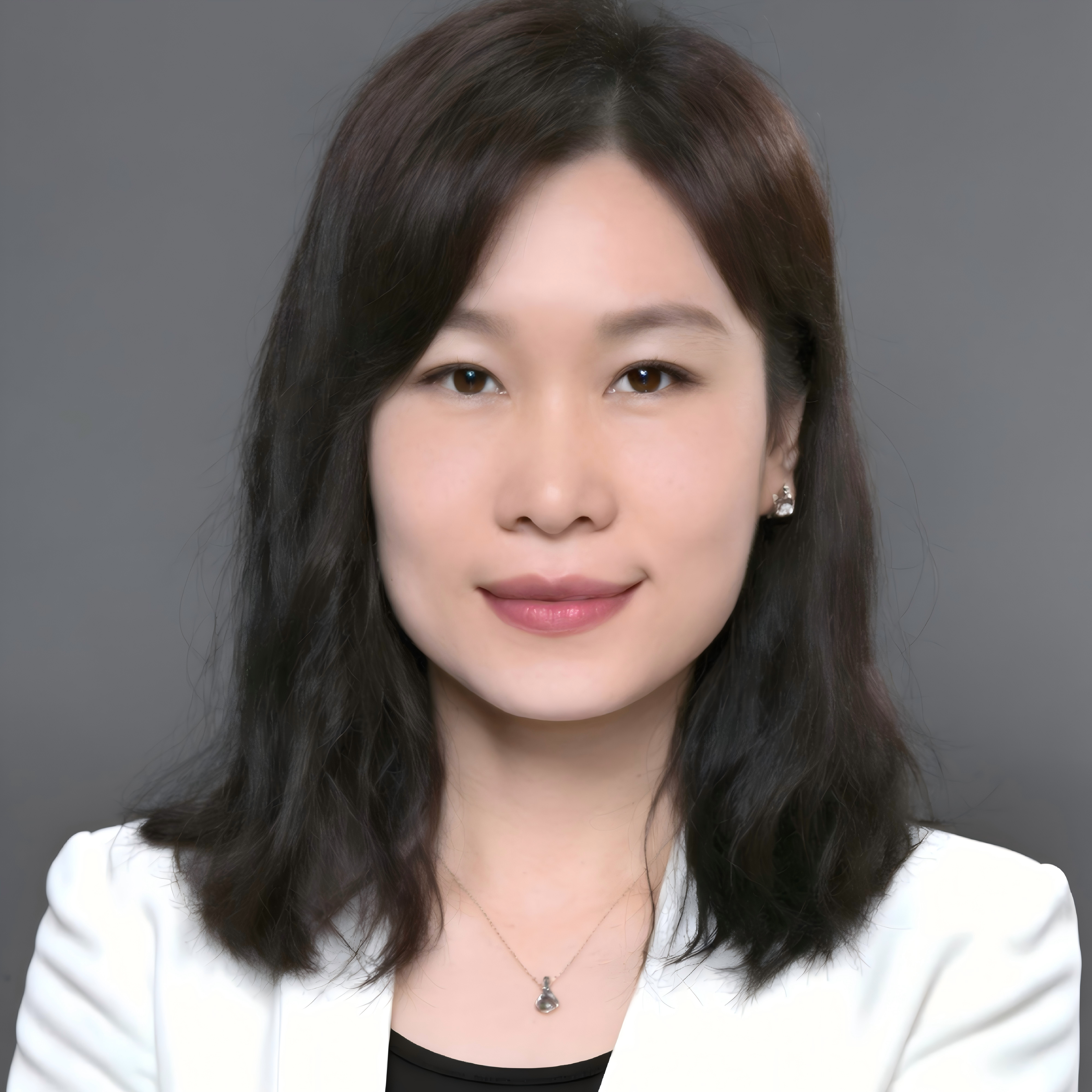
Prof. Dr.
Xuejuan Deng
Editor-in-Chief of
Research Interests
Microorganisms and Animal Nutrition; Biofeed High-quality Livestock Products
Biography
Prof. Dr. Xuejuan Deng is the Deputy Director of the National Biofeed Engineering Technology Research Center. Her research focuses on biofeed development, microbial fermentation technology, and animal nutrition and health. She has led several major national and provincial research projects and holds multiple invention patents and technology transfer achievements. Prof. Deng has served as editor-in-chief or co-editor of seven academic monographs and has contributed to the development of several national and industry standards. She has also led the formulation of more than 40 group standards for the biofeed industry, helping to establish key standards in this field. Her research achievements have earned several provincial and ministerial science and technology awards, and multiple outcomes have been recognized as internationally advanced. She also serves as Secretary-General of the Beijing Biofeed Industry Technology Innovation Strategic Alliance. She holds expert positions on several committees under the Ministry of Agriculture and Rural Affairs of China, including the Expert Committee for Feed and Feed Additive Production Licensing.
Prof. Dr.
Guozheng Liu
Editor-in-Chief of
Research Interests
"Zero Waste City" Construction; Research on Solid Waste Resource Utilization; Management of Hazardous Waste and Chemicals
Biography
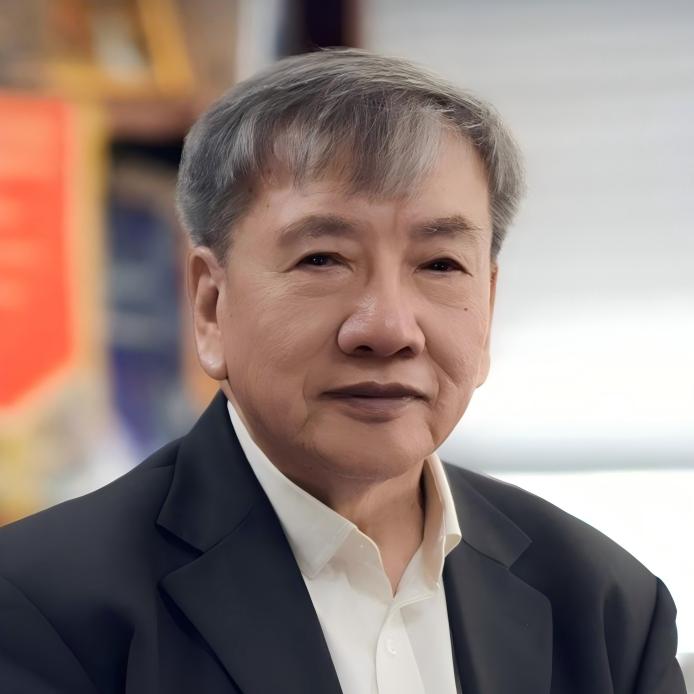
Prof. Guozheng Liu previously served as Director of the Solid Waste and Chemicals Management Technology Center of the Ministry of Ecology and Environment of China and Vice Chairman of the National Expert Advisory Committee for "Zero-Waste City" Construction. He has long been engaged in environmental management and technological research related to solid waste, hazardous waste, chemicals, and emerging pollutants, possessing rich experience and making outstanding contributions. Prof. Liu has led or participated in numerous major national-level scientific research projects in the field of ecological environment, playing a crucial role in the construction of national laws, policies, plans, standards, and technical systems. He has led several important national-level scientific research projects and presided over the formulation of national environmental policies and technical frameworks; he is committed to promoting the construction of "Zero-Waste City," the utilization of high-value resources from solid waste, and environmental risk prevention and control. He has published numerous academic papers and several monographs, making significant contributions to policy innovation, technological progress, and industry development in the field of solid waste and chemical environmental management in China.
Prof. Dr.
Jiaqi Liu

Editor-in-Chief of

Research Interests
Chinese Volcanoes; Quaternary Geology and Environment in China; Basalt Fiber Materials
Biography
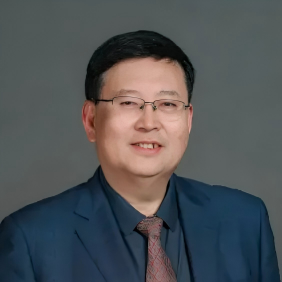
Professor Liu Jiaqi is an academician of the Chinese Academy of Sciences, a renowned volcanologist and Quaternary geologist. He received his undergraduate and master's degrees from Changchun Geological College and his doctorate from the Graduate School of the University of Science and Technology of China. He dedicated over six decades to research at the Institute of Geology and Geophysics, Chinese Academy of Sciences, with his academic footprint spanning seven continents and five oceans. He pioneered the elucidation of the spatiotemporal distribution patterns and petrogeochemical characteristics of volcanoes in China, elevating the study of the mechanisms of Cenozoic volcanic activity in China to the forefront of international research. He held numerous important academic positions both domestically and internationally, including Vice Chairman of the Scientific Steering Committee of the Asian Lake Drilling Program, Vice Chairman of the Stratigraphic Committee of the International Union for Quaternary Research (INQUA), Chairman of the Quaternary Research Committee of China, and Vice President of the Volcanological Society of China. He also served as a researcher, head of a research department, and director of a geological institute, and was a visiting professor at the Open University in the UK and Tohoku University in Japan. He has published numerous high-level academic papers and authoritative monographs, including *Volcanoes of China* and *Quaternary Geology and Environment of China*. He has received numerous awards, including the second prize of the National Natural Science Award, multiple first prizes in natural sciences and scientific and technological progress from the Chinese Academy of Sciences, and a special prize from the State Oceanic Administration. In the field of geology in China, the name of Academician Liu Jiaqi of the Chinese Academy of Sciences is unparalleled when it comes to volcanic research. Even in his eighties, Academician Liu remains active in scientific research and dedicated to popular science and communication, earning him the reputation of a "post-80s giant of volcanology" in the academic community. He also actively participates in popular science and geological public education activities, enjoying widespread influence in both academic circles and society.
Prof. Dr.
Ping Zhang
Editor-in-Chief of

Research Interests
Translational Cell Technology; Stem Cell and Organ Repair; Mechanomedicine Research and Translation; Mechanotherapy Research and Application; Endogenous Stem Cell Mobilization Therapy; Mechanobiology-Immunology-Regenerative Therapy; Translational Cancer Immunotherapy; Translational Physical-Immunology Combination Therapy
Biography
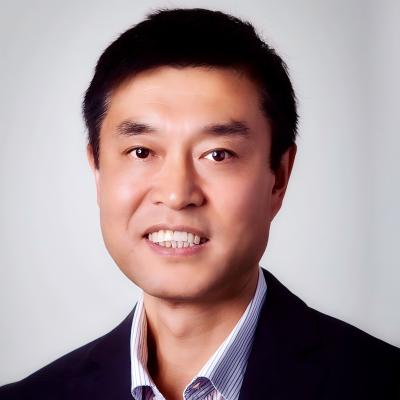
Dr. Ping Zhang is a Professor and Chair of the Department of Anatomy, Histology, and Embryology at Tianjin Medical University. After graduating from Peking University Health Science Center, he held faculty positions at the Chinese Academy of Medical Sciences and Peking Union Medical College, followed by appointments as a postdoctoral fellow and research professor at Indiana University. His research focuses on bone metabolism and remodeling, stem cell differentiation, and the treatment of orthopedic diseases. Since becoming Chair of the Department in 2013, he has led the development of several municipal-level key courses, including Human Anatomy and Histology & Embryology, and has overseen national-level courses such as Systemic Anatomy and Human Anatomy for international students. He has also served as an editor, co-editor, or editorial board member for 14 national textbooks. His work in stem cells and regenerative medicine explores the mobilization of endogenous stem cells for disease treatment and has been supported by the NIH, the U.S. Department of Defense, NASA, the National Natural Science Foundation of China, and Tianjin’s Applied Basic and Frontier Technology Research Program. He has published over 160 papers, participated in more than 90 international conferences, and delivered more than 30 invited keynote lectures.
Prof. Dr.
Mingxing Zhang

Editor-in-Chief of
Research Interests
Additive Manufacturing of Metals and MAX Phase Materials; High Entropy Alloys; New Alloy Design Engineering Materials; Surface Engineering of Metals; Grain Refinement for Cast Metals
Biography
Professor Mingxing Zhang is a world leader in the area of crystallography of phase transformations and its applications in engineering materials, and is recognised as one of the top researchers in the areas of phase transformations, grain refinement for cast metals, additive manufacturing of metals, and surface engineering. Prof. Zhang obtained his Bachelor of Engineering from the Inner Mongolian University of Science and Technology and his Master of Engineering from Northwestern Polytechnical University, China. In 1997, he was awarded his PhD degree by the University of Queensland. His research expertise and interests include crystallography of phase transformations, grain refinement and alloy development of aluminium and magnesium alloys, surface modification and coatings, bainitic transformation and bainitic steels. Prof. Zhang's research hopes are to apply his fundamental research results to develop new generation metallic materials and to improve the current materials processing techniques. His research outcomes will also offer materials scientists a totally new way to undertake surface treatment for metallic materials, therefore to significantly improving the surface durability of these types of materials. For example, the recently developed new packed powder diffusion coating technique for titanium alloys will enable the replacement of the highly costive superalloys with Ti alloys. The research also hopes to enhance Australia's competitive ability in international markets in light metals and contribute significantly to material science with the study of the mechanism of phase transformations in solids.
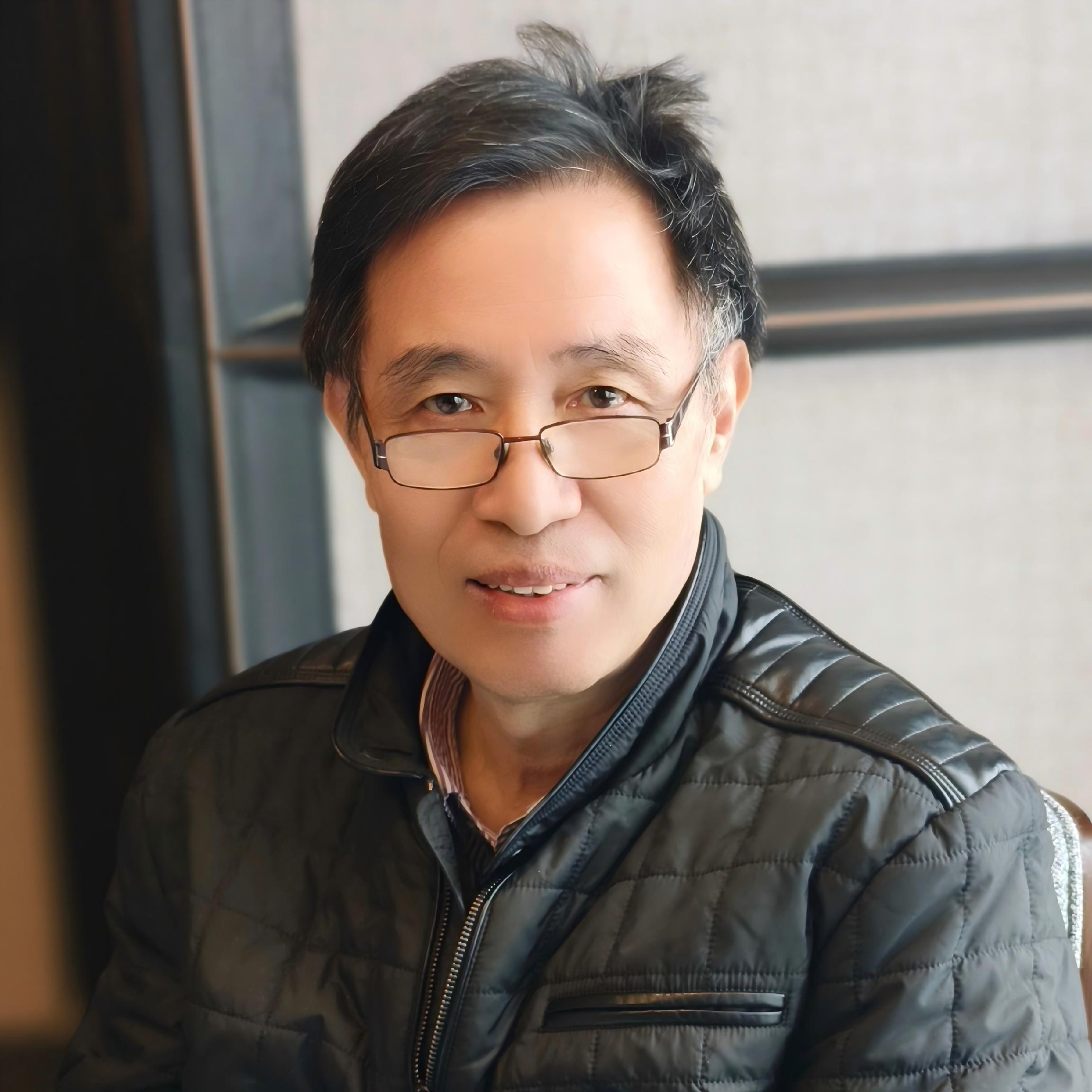
Prof. Dr.
Jesse S. Jin
Editor-in-Chief of

Research Interests
Artificial Intelligence; Computer Vision; Multimedia; Digital Economy; E-Commerce
Biography
Prof. Dr. Jesse Sheng Jin graduated with a B.Eng. from Shanghai Jiao Tong University, an M.Eng. from CTU, and a Ph.D. from the University of Otago, New Zealand. He is the Chair of The Expert Committee of Artificial Intelligence, Beijing Technological Center of CAS Senior Experts. He was the Chair Professor of IT, Professor, Head of Department, Deputy Head of School in several universities in Australia including the University of NSW (1993-2002), University of Sydney (1999-2004) and University of Newcastle (2004-2014). He also chaired the Academic Board of the College of Design and Commerce, and was an independent board member (2005-2008) of Raffles University, Australia. Prof. Jin is an international renowned expert on multimedia technology and visual information retrieval and processing. He has published 347 EI/SCI-indexed papers, authored 13 monographs, and holds 19 patents. He established a spin-off company and the company won the 1999 ATP Vice-Chancellor New Business Creation Award. He is/was a consultant of many companies such as Microsoft, Motorola, Computer Associates, ScanWorld, Proteome Systems, HyperSoft, etc. He was a visiting/adjunct professor in MIT, UCLA, HKPU, Tsinghua University, Peking University, Jilin University, HIT, China Academy of Sciences, China Media University, SJTU, Huazhong University of Science and Technology, Beijing Normal University, South China University of Technology, Xiamen University, Northwest University, etc. He was the President of Ausinan Science & Technology Society during 2002 and 2006. Prof. Jin served as a reviewer for many governmental research funds such as Australia ARC, HK CERG and China NNSF. He has served on the editorial boards of seven international journals and in organizing roles for 21 international conferences, and has held various professional and governmental advisory positions. Prof. Jin's research interests span a vast area. He has led over 30 national-level research projects and achieved notable technical advances and successful industrial applications in areas including payment gateway, the close-loop commodity circulation system, smart cities, advanced semiconductor chips, and industrial intelligent vision systems. His research contributions also include the development of the CBIR-VU visual information retrieval system and the CSS+ high-dimensional index tree, as well as work on recursive Laplacian–Gaussian filtering adopted by organizations such as the NIH, SRI International, and Silicon Graphics. He has also contributed to research on semantic hypervideo, the VIML language, data-driven cortical folding analysis, and intelligent sensor technologies for the Internet of Things, including work with CSIRO.