 ICJN Press





Featured Journals
VIEW MORE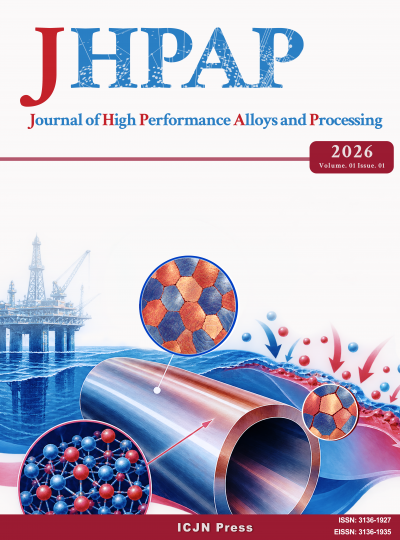
Journal of High Performance Alloys and Processing (JHPAP)
P-ISSN: 3136-1927
E-ISSN: 3136-1935
 More
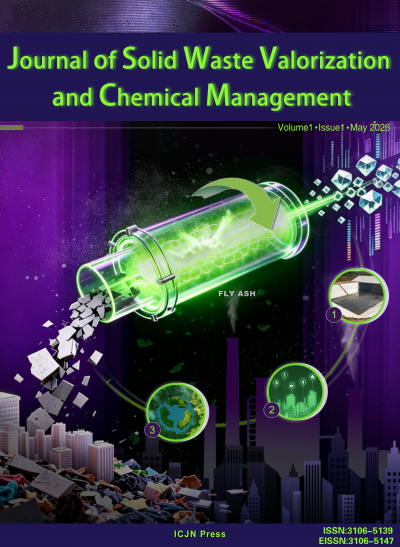
Journal of Solid Waste Valorization and Chemical Management (JSWVCM)
P-ISSN: 3106-5139
E-ISSN: 3106-5147
More 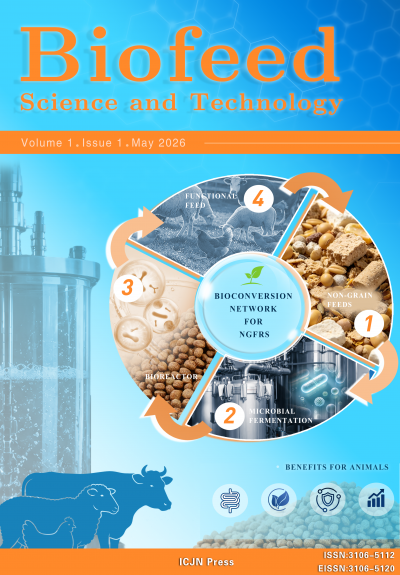
Biofeed Science and Technology (BST)
P-ISSN: 3106-5112
E-ISSN: 3106-5120
More 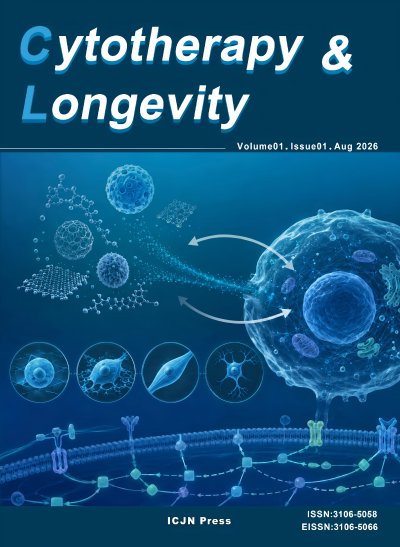
Cytotherapy and Longevity (CL)
P-ISSN: 3106-5058
E-ISSN: 3106-5066
More 
China Lab
P-ISSN: 3106-5155
E-ISSN: 3106-5163
More 
Green Agriculture and Nutrition (GAN)
More 
Future Health Science (FHS)
P-ISSN: 3106-5074
E-ISSN: 3106-5082
More 
Journal of Intelligent Technologies in Digital Economy (JITDE)
P-ISSN: 3106-5090
E-ISSN: 3106-5104
More 
Global Great Lakes (GGL)
More 
Hepatobiliary and Gastrointestinal Sciences (HGS)
P-ISSN: 3136-988X
E-ISSN: 3136-9898
More Editors-in-Chief Spotlight
VIEW MORE











Editor's Picks
VIEW MORE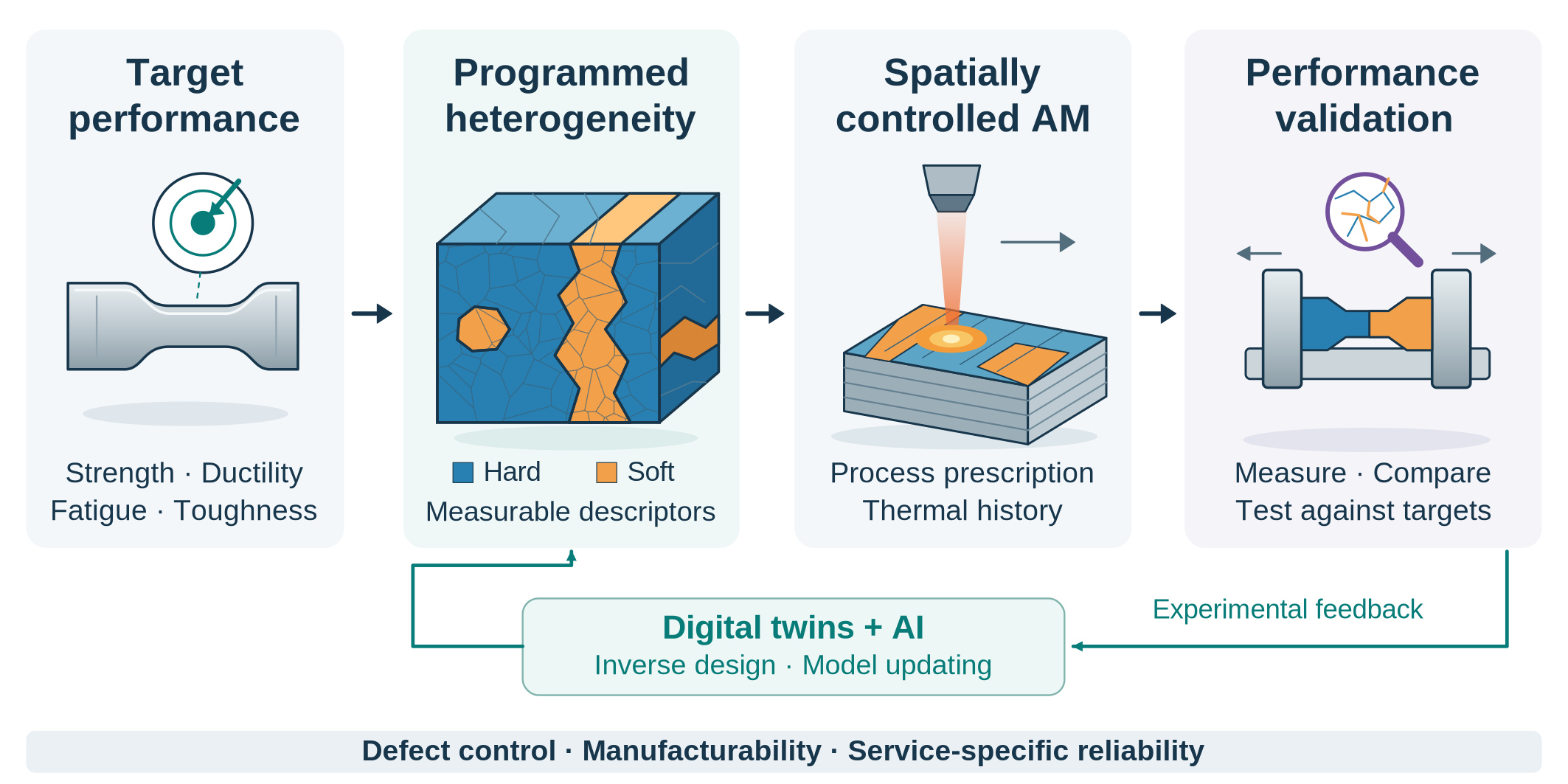
From Defect Suppression to Programmed Heterogeneity in Additive Manufacturing of High-Performance Alloys
Metal additive manufacturing (AM) has traditionally combined suppression of detrimental manufacturing defects with control of process-induced heterogeneity. Pores, cracks, and lack-of-fusion regions must be distinguished from crystallographic features such as dislocation substructures, whose effects depend on their organization and service conditions. Reliable processing remains essential, but microstructural uniformity should not be the only design objective. Controlled variations in phase constitution, grain structure, dislocation density, precipitation, and local mechanical response can provide useful interactions between mechanically contrasting regions. This commentary proposes a performance-driven framework for programmed heterogeneity that builds on heterostructured materials, functionally graded materials, and site-specific AM processing rather than claiming spatial microstructure control as a new capability. Four propositions are advanced: detrimental manufacturing defects must be distinguished from potentially functional heterogeneity; AM should be used to prescribe microstructural architectures within process-dependent spatial limits; mechanical contrast, characteristic domain size, volume fraction, interface density, connectivity, and spatial arrangement should become measurable design descriptors; and experimentally constrained digital twins and artificial intelligence (AI) should connect target performance to feasible process prescriptions. Descriptor-based design is framed as a constrained optimization problem, not a maximization of heterogeneity. Thermal interactions, manufacturing reproducibility, strain localization, interfacial damage, and fatigue requirements must be considered alongside strength and ductility. The proposed goal is the right heterogeneity, at the right length scale, in the right location, verified against the required function.
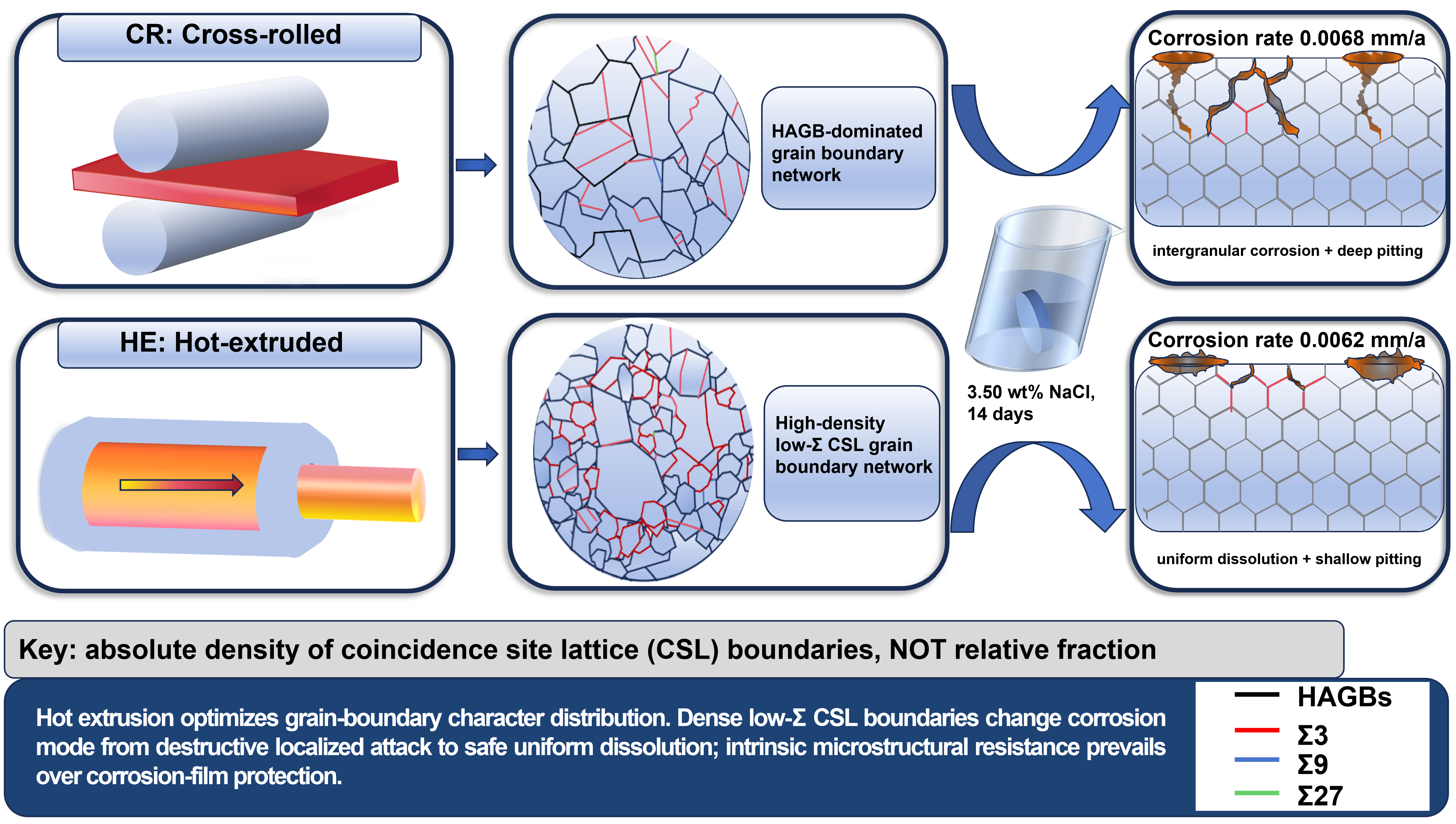
Corrosion Behavior of Cu-7Ni-3Al-1Fe-1Mn Alloy Subjected to Different Processing Techniques
Copper–nickel alloys are critical materials for marine engineering, and their corrosion resistance is closely related to their microstructural states. However, the mechanism by which processing technologies regulate corrosion behavior through altering grain boundary character distribution remains unclear. In this study, the corrosion behavior of a Cu–7Ni–3Al–1Fe–1Mn alloy in 3.50 wt% NaCl solution was compared among three states: as-cast (AC), 60% deformation orthogonally cross-rolled (CR), and hot-extruded (HE) with an extrusion ratio of 12.30. The aim was to reveal the key role of grain boundary character distribution in corrosion behavior. The results showed that the corrosion resistance order was HE > CR > AC, with corrosion rates of 0.0062, 0.0068, and 0.015 mm/a, respectively. CR exhibited sufficient recrystallization (83.80%) and was dominated by high-angle grain boundaries, resulting in continuous intergranular corrosion. HE showed a low degree of recrystallization (25%), but possessed high absolute densities of coincidence site lattice (CSL) grain boundaries and triple junctions; its corrosion behavior was dominated by uniform dissolution and shallow pitting, with intergranular corrosion suppressed. The key factor determining the resistance to intergranular corrosion was the absolute number (density per unit area) of CSL grain boundaries rather than their relative proportion. Processing technologies regulate grain boundary character distribution and thereby alter corrosion paths: interconnected high-angle grain boundary networks lead to intergranular corrosion, whereas dense CSL grain boundary networks lead to uniform dissolution. Hot extrusion achieved both grain refinement and optimization of the CSL grain boundary network, transforming the corrosion mode from destructive localized corrosion to uniform and safe corrosion. These findings provide theoretical support for grain boundary engineering design of copper–nickel alloys for marine engineering.
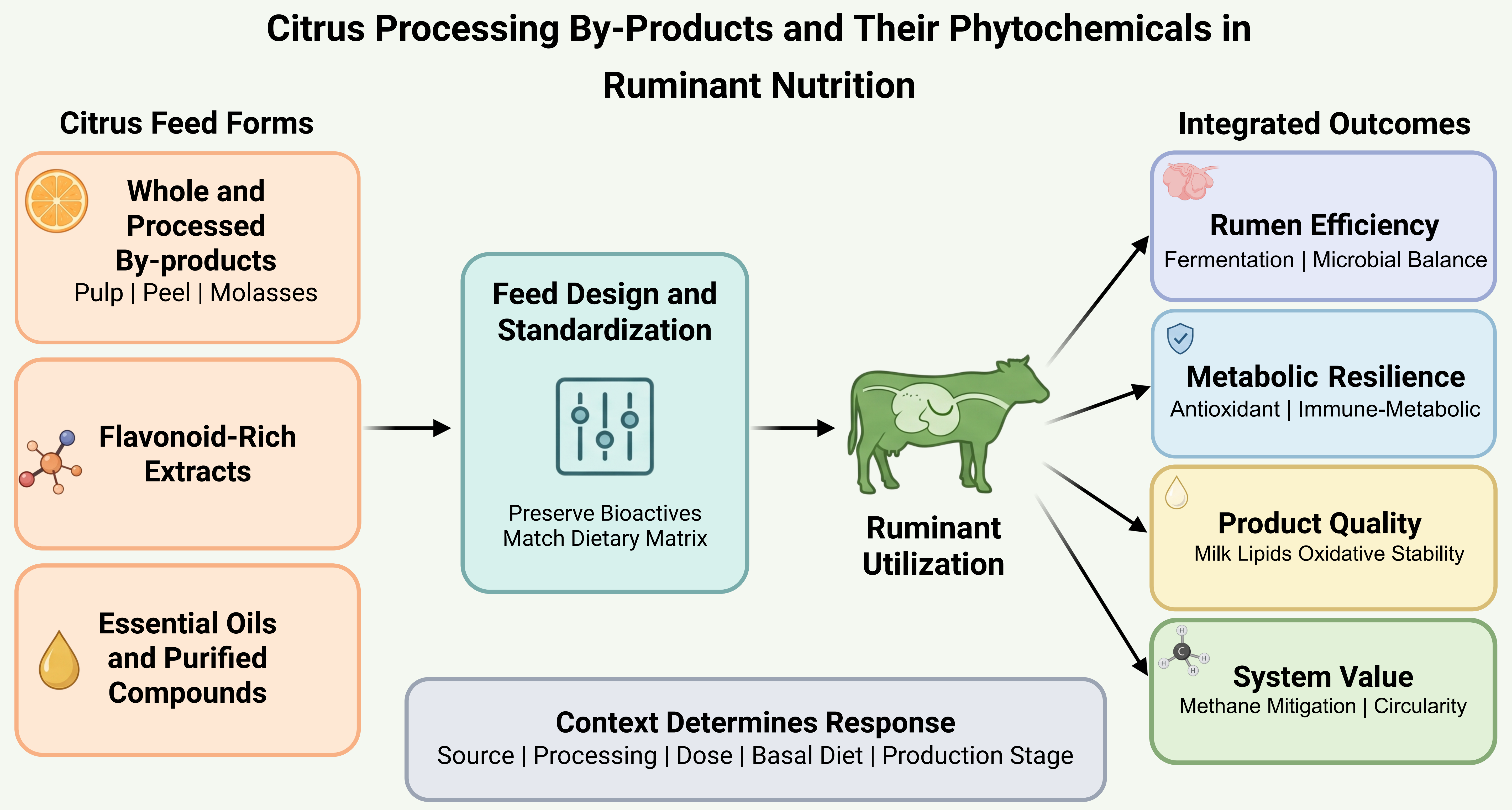
Citrus Processing By-Products and Their Phytochemicals in Ruminant Nutrition: From Rumen Modulation to Animal Performance, Product Quality, and Environmental Sustainability
Citrus processing generates substantial quantities of peel, pulp, membranes, seeds, and extraction residues that present both a waste-management challenge and a potential resource for ruminant production. These by-products are characterized by a fermentable nutritional matrix rich in pectin and soluble sugars, together with diverse phytochemicals, including flavanone glycosides, polymethoxylated flavones, essential oils, phenolic acids, carotenoids, and limonoids. This review critically examines how interactions between these nutrients and phytochemicals affect rumen fermentation, microbial ecology, animal performance, metabolic health, product quality, and environmental sustainability. Citrus pulp can partially replace cereal-based concentrates and provide rapidly fermentable energy with relatively low lactate production. However, responses depend on inclusion level, basal diet, processing method, by-product composition, animal species, and production potential. Citrus flavonoids and essential oils may modulate rumen microorganisms, methanogenesis, nitrogen metabolism, oxidative balance, and inflammatory regulation, although evidence from high-dose in vitro studies cannot be directly extrapolated to whole by-products or commercial production. Citrus-derived interventions may also modify milk and meat fatty-acid profiles, antioxidant capacity, oxidative stability, sensory properties, and shelf life, but results remain heterogeneous. From a circular bioeconomy perspective, feeding citrus residues can divert organic material from disposal and reduce reliance on human-edible feeds. Nevertheless, drying, extraction, transportation, reduced animal productivity, and alternative residue uses may offset these benefits. Overall, citrus by-products should be considered integrated nutrient-phytochemical matrices rather than uniform feed ingredients. Standardized chemical characterization, long-term dose-response studies, mechanistic multi-omics research, and combined life-cycle and techno-economic assessments are required to support their safe, effective, and environmentally credible use in ruminant production systems.
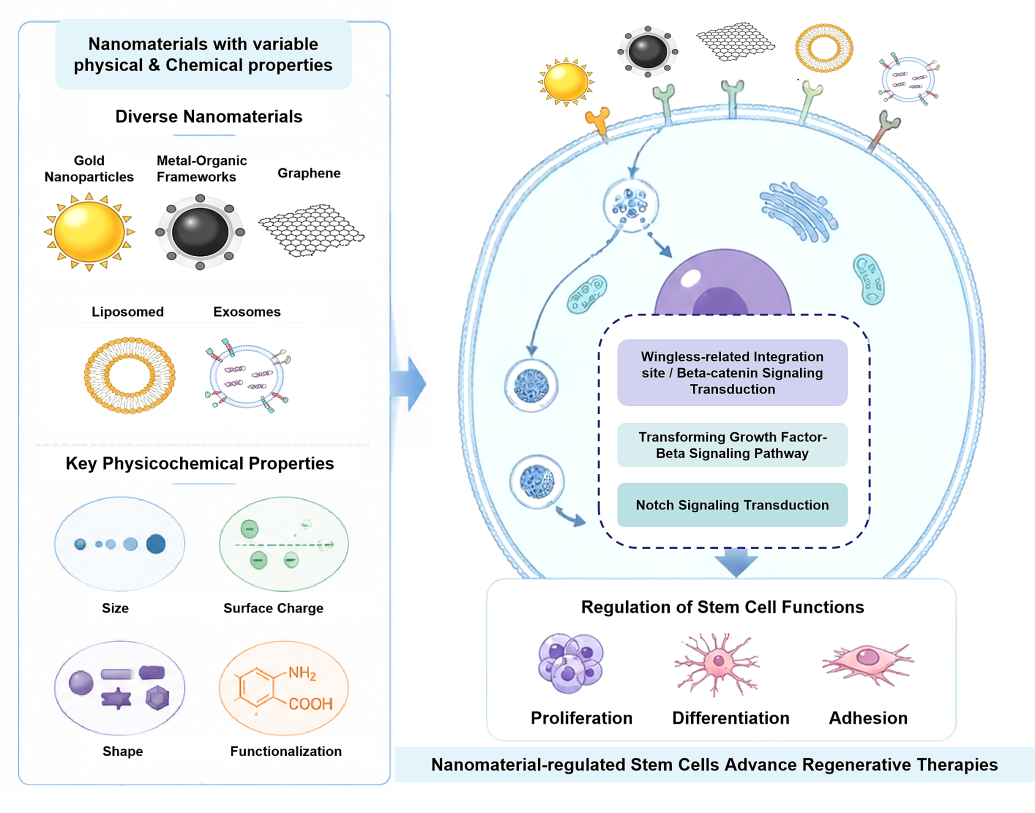
Nanomaterial-Mediated Stem Cells Fate Regulation: From Mechanism of Action to Regenerative Medicine Applications
Stem cells possess self-renewal capacity and differentiation potential. Under appropriate conditions, they can continuously divide to generate more stem cells of the same type or differentiate into various specialized cell types, thereby contributing to the formation of diverse tissues and organs. In tissue engineering and regenerative medicine, stem cells serve as key elements for repairing or replacing functional tissues lost due to disease, injury, or aging. The development of nanomaterials has provided new tools and approaches for stem cell research, particularly in the biomedical field, where they are widely applied in drug delivery, biosensing, medical imaging, and tissue engineering. Moreover, through interactions with cell membranes and/or intracellular components, nanomaterials can modulate key stem cell functions — including differentiation, proliferation, and adhesion — thereby enhancing the therapeutic efficacy of stem cells in biomedical applications. This review first introduces the main characteristics and potential risks associated with the application of nanomaterials to stem cells. The subsequent section provides an overview of how nanomaterials regulate stem cell biological functions and activate associated signaling pathways, followed by a discussion of future directions and challenges in this field.
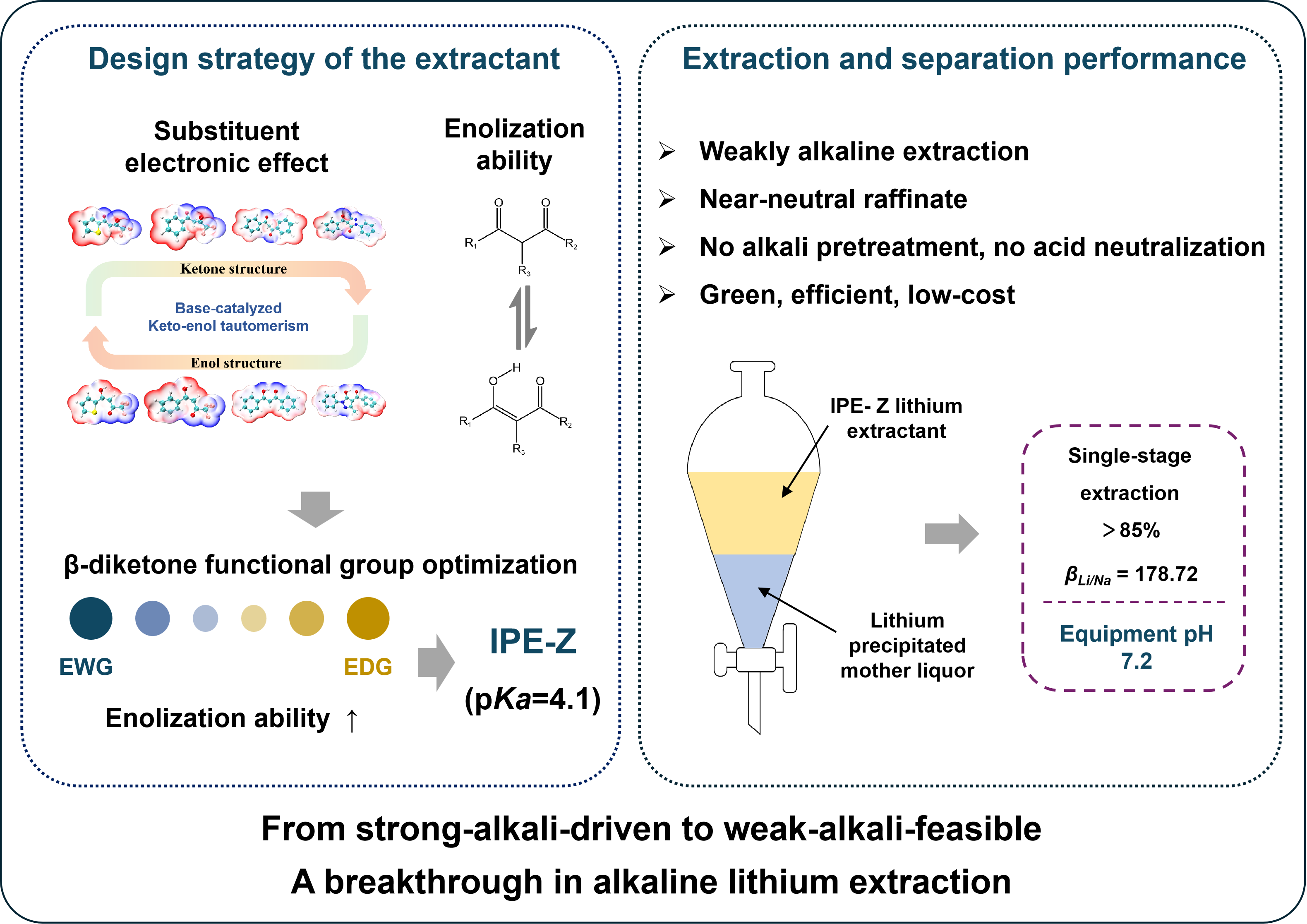
High-Efficiency Lithium Extraction From Lithium Precipitated Mother Liquor Using the IPE-Z Lithium Extractant Under Weakly Alkaline Conditions
As a critical strategic metal, lithium is subject to increasingly stringent resource utilization efficiency requirements. Lithium precipitated mother liquor is the final hurdle in the recovery of lithium resources. Due to its high sodium-to-lithium ratio, strong alkalinity, and complex impurity composition, it poses a significant challenge to the selectivity and stability of traditional extraction systems. In this study, we investigated the influence of different substituents on the enolization capacity of β-diketone extractant molecules based on the electrostatic distribution patterns of extractant molecules. Using this as the primary criterion, we developed a novel extraction system (IPE-Z/tributyl phosphate (TBP)) and examined the effects of various factors, such as pH, extractant concentration, co–extractant ratio and agitation intensity, on extraction yield. Furthermore, the adaptability of this extractant to different feed solutions was verified and its extraction mechanism analysed. The results show that this extractant can achieve over 85% extraction efficiency in a single-stage process and a sodium separation factor (βLi/Na) of 178.72. Meanwhile, the pH of the extractant raffinate is 7.9, suggesting that lithium can be extracted from lithium–precipitated mother liquor without consuming alkali. In the extractate, the coordination ratio of the extractant molecules, the co-extractant molecules, and the lithium ions is 1:1:1. Infrared spectroscopic analysis of the organic phase before and after extraction confirmed that the extractant’s molecular structure remains stable during extraction and back-extraction. Cyclic extraction experiments indicate that this extractant can achieve an extraction efficiency of 98.70% for lithium precipitated mother liquor. The pH of the raffinate is 7.2, enabling the near-neutral extraction of lithium from lithium-precipitated mother liquor, which demonstrates good industrial application prospects.